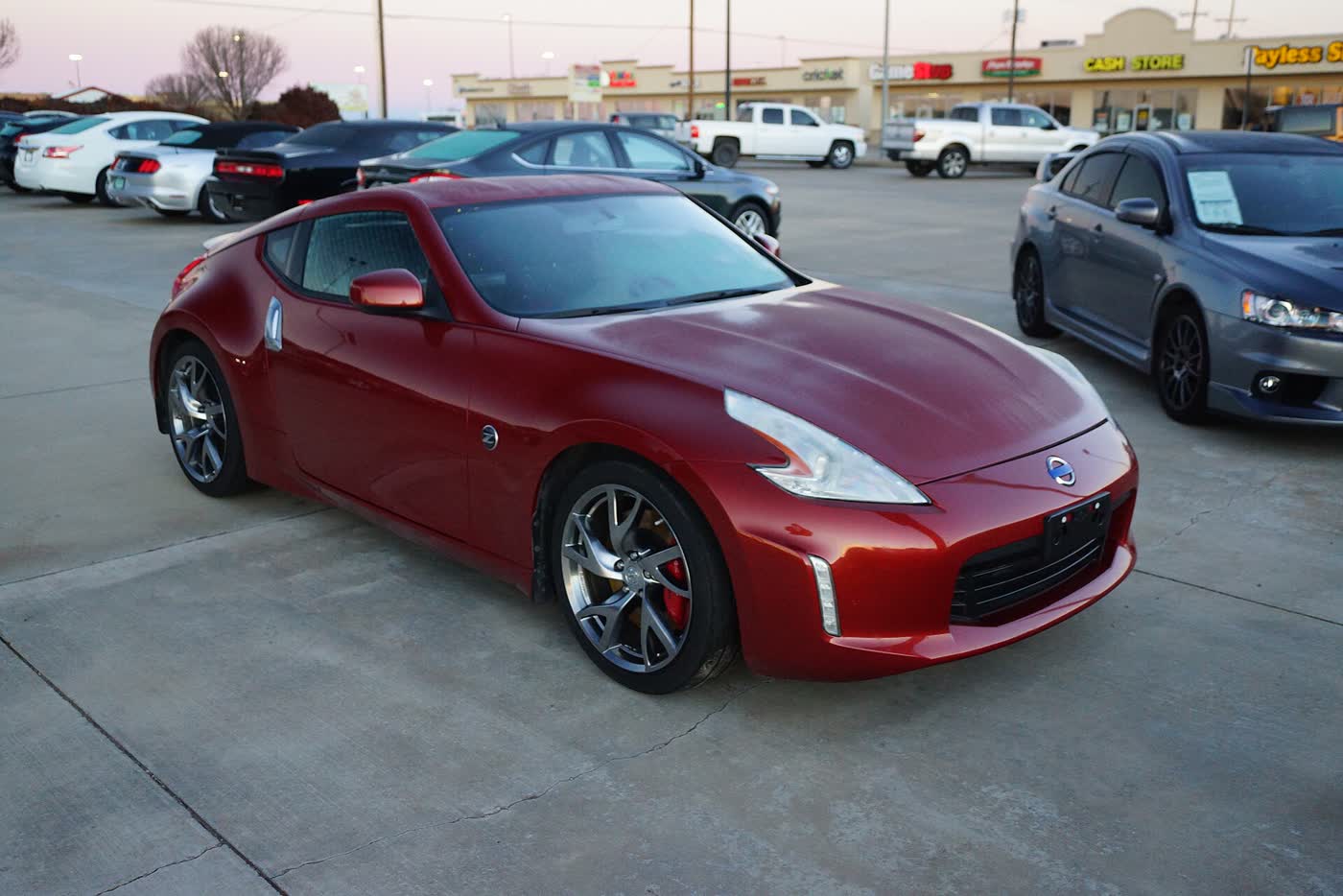
2013+ Sport · 332 hp VQ37 · Manual
First-hand: Ramon owned one and built it up himself.
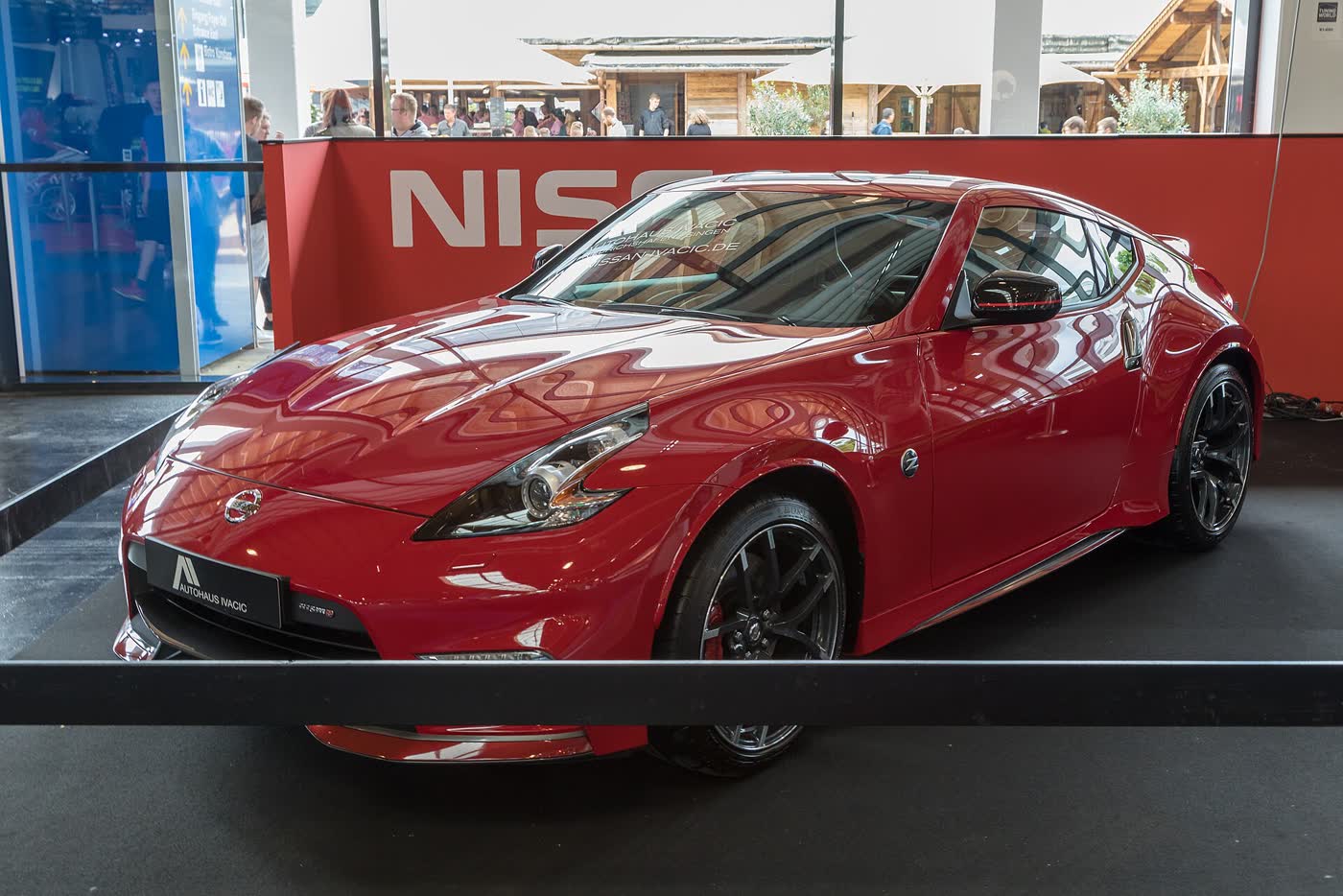
Buy a 2013-or-newer Sport, check the clutch cylinder and the oil history, and you have 332 horsepower worth owning. Skip it if you need a comfortable daily driver or if cheap horsepower is the goal.
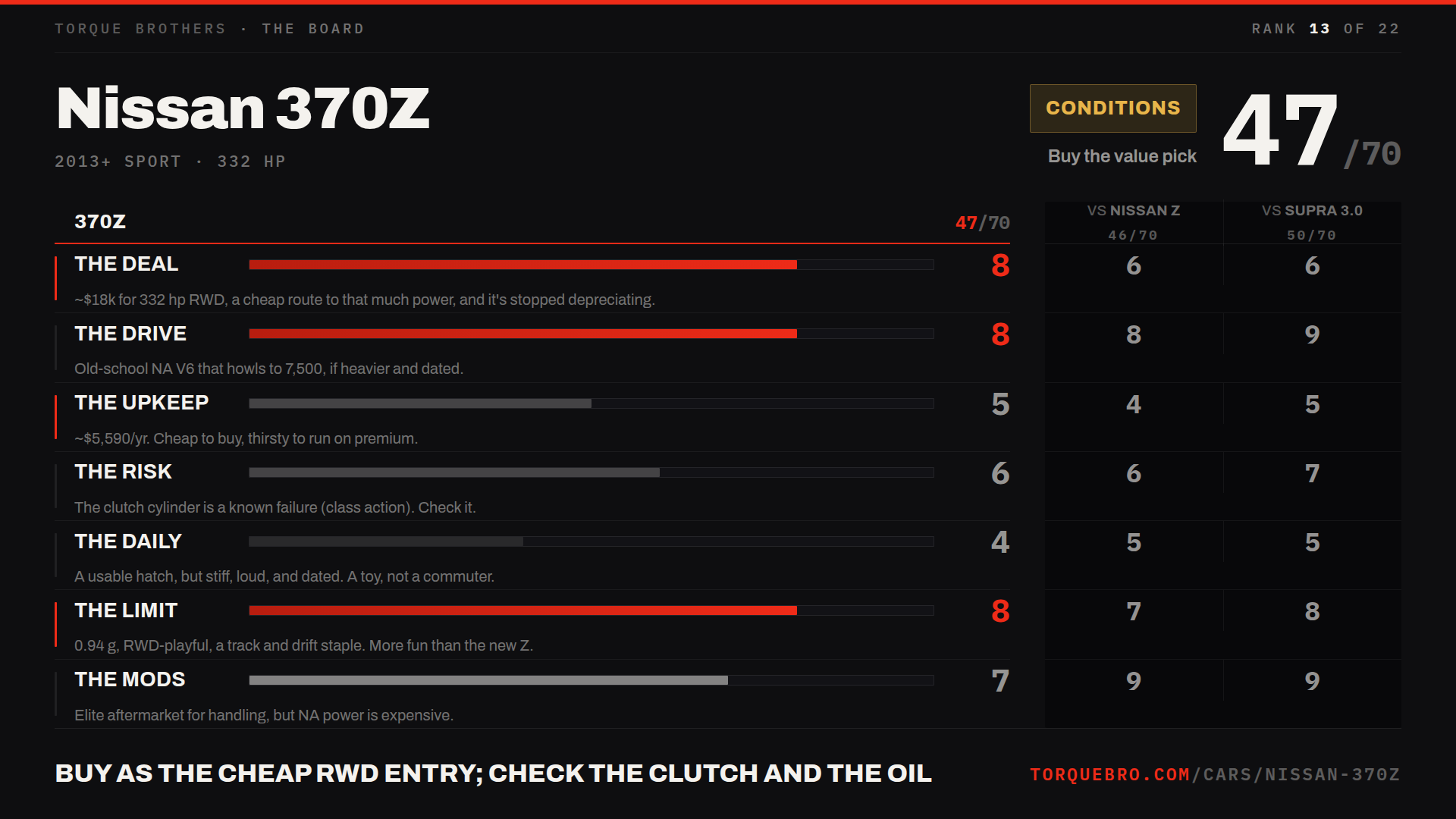
This one comes with real ownership behind it. We scored the car as a 2013 or newer 370Z in Sport trim with the manual, and it landed at 47 out of 70, with a verdict of Buy as the cheap rear-drive entry, and check the clutch and the oil.
This car is for someone who wants an affordable way into a genuine rear-drive sports car, values engagement and character over refinement, and does not need it to be a comfortable daily. If you need one comfortable car that does everything, skip to The Daily first.
All money figures use a fixed set of assumptions so they can be compared to other cars we cover: 12,000 miles a year, premium fuel at $4.00 a gallon, and insurance for a 35-year-old driver with a clean record and full coverage. Insurance numbers are published averages, not personal quotes. Prices are from Kelley Blue Book.
| Figure | 370Z (2013+ Sport) | Source |
|---|---|---|
| Used buy-in (KBB, Sport) | ~$18,000 | KBB, 2016 Sport Coupe, Good condition, private party: $18,150 on 2026-10-11. Sport coupes from 2015 to 2018 run from $16,330 to $21,800 on the same basis. |
| Base cars from | ~$13,000 | we found no published source for this figure |
| 3-year resale retention | ~92% (bottomed out) | KBB, 2013 370Z depreciation: 92% of value retained over 3 years, shown for the style the page opens on (Touring Roadster). The Sport coupe is not broken out. |
| Trims | Base, Sport, Touring, Nismo | KBB, 2016 370Z lists Coupe (base), Sport, Sport Tech, Touring and NISMO styles |
~ our estimate, not a measured or quoted figure. Why we mark figures
This is the 370Z's winning category and the whole reason to consider one. About $18,000 buys a clean Sport, and base cars start near $13,000, which is very little money for a real 332-horsepower rear-drive sports car. If your decision starts from a budget and you want real power, this is the one to look at.
It also holds its money now. These cars have bottomed out and clean examples are flat or even climbing, so you are unlikely to lose much buying a good one. Be clear-eyed that this is a decade-old car that already took its depreciation, so the retention figure is not the same as a newer car holding value, but the practical result favors you. Buy the Sport trim specifically for its limited-slip diff, Akebono brakes, and rev-match; the base car misses the good hardware and the Nismo costs significantly more for gains most buyers do not need.
| Figure | 370Z (2013+) | Source |
|---|---|---|
| Power-to-weight | 10.2 lb per hp | derived: 3,386 lb divided by 332 hp |
| Power | 332 hp, 270 lb-ft | Nissan 2013 370Z press kit |
| Curb weight | ~3,386 lb | Cars.com, 2018 370Z Sport manual specs |
| 0 to 60 mph | ~5.1 sec | Edmunds 2014 review, via Wayback: Sport package coupe with the manual, tested |
| Engine | 3.7L VQ37 NA V6, 7,500 redline | Nissan 2013 370Z press kit |
The 370Z is old-school in the best and worst ways. Its naturally aspirated V6 revs to 7,500 and howls the whole way, a sound and a character no turbocharged rival in this class can offer, and the rev-match system makes downshifts feel great. It is quick enough at around 5.1 seconds to 60, and it has more outright power than a Miata or a GR86.
The honest trade is refinement. It feels heavier than the newer cars, the shifter is notchy, the brakes are grabby, and the cabin is dated. For a buyer who wants raw, analog character, that is the appeal in a nutshell. For a buyer who wants modern polish, it will feel every one of its years. Decide which of those matters more to you, because the 370Z commits hard to the analog side.
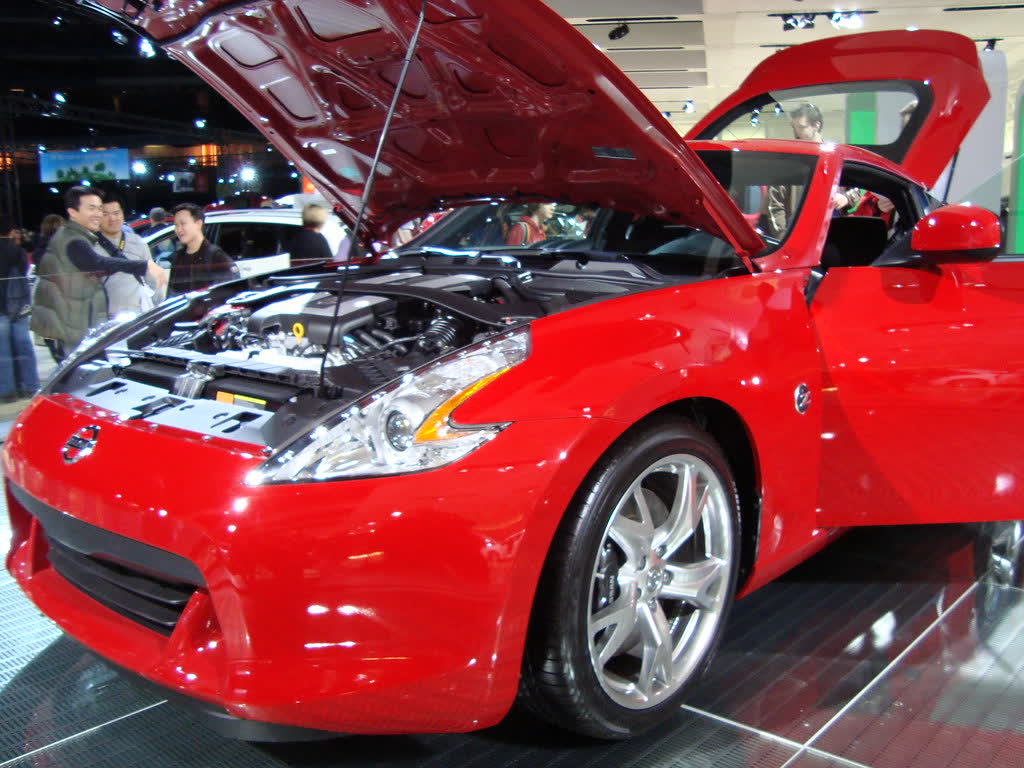
| Figure | 370Z (2013+) | Source |
|---|---|---|
| Total annual running cost | ~$5,590/yr | derived: fuel $2,286 plus insurance $2,324 plus tires $480 plus service $500 |
| Fuel | ~$2,286/yr (21 mpg, premium) | derived: 12,000 miles a year at 21 mpg combined (fueleconomy.gov, 2013 manual), premium at $4.00 a gallon |
| Insurance | ~$2,324/yr | MoneyGeek, derived: full-coverage monthly rates for 2013 to 2020 model years ($250, $177, $193, $144, $167, $193, $202, $223) average $193.63, times 12 |
| Tires (amortized) | ~$480/yr | our estimate |
| Routine service | ~$500/yr | our estimate |
| Octane | 91 (premium) | Nissan 2013 370Z press kit lists premium unleaded as the recommended fuel. 91 is the octane used to price premium. |
| Insurance class rank | 22nd of 115 sports cars | MoneyGeek: 22nd of 115 sports cars for insurance affordability |
Cheap to buy is not the same as cheap to run, and the 370Z proves it. Running costs come to about $5,590 a year, driven mostly by a thirsty naturally aspirated engine that wants premium and returns only around 21 mpg combined. Wide staggered tires add to it, and insurance sits mid-pack rather than cheap.
For a buyer who spent so little to get in, that running cost is easy to accept, but you should plan for it rather than be surprised by it. The fuel line in particular is real, because the VQ drinks. This is a car that rewards a modest purchase budget and then asks for steady money at the pump, so factor that into whether it fits your life.
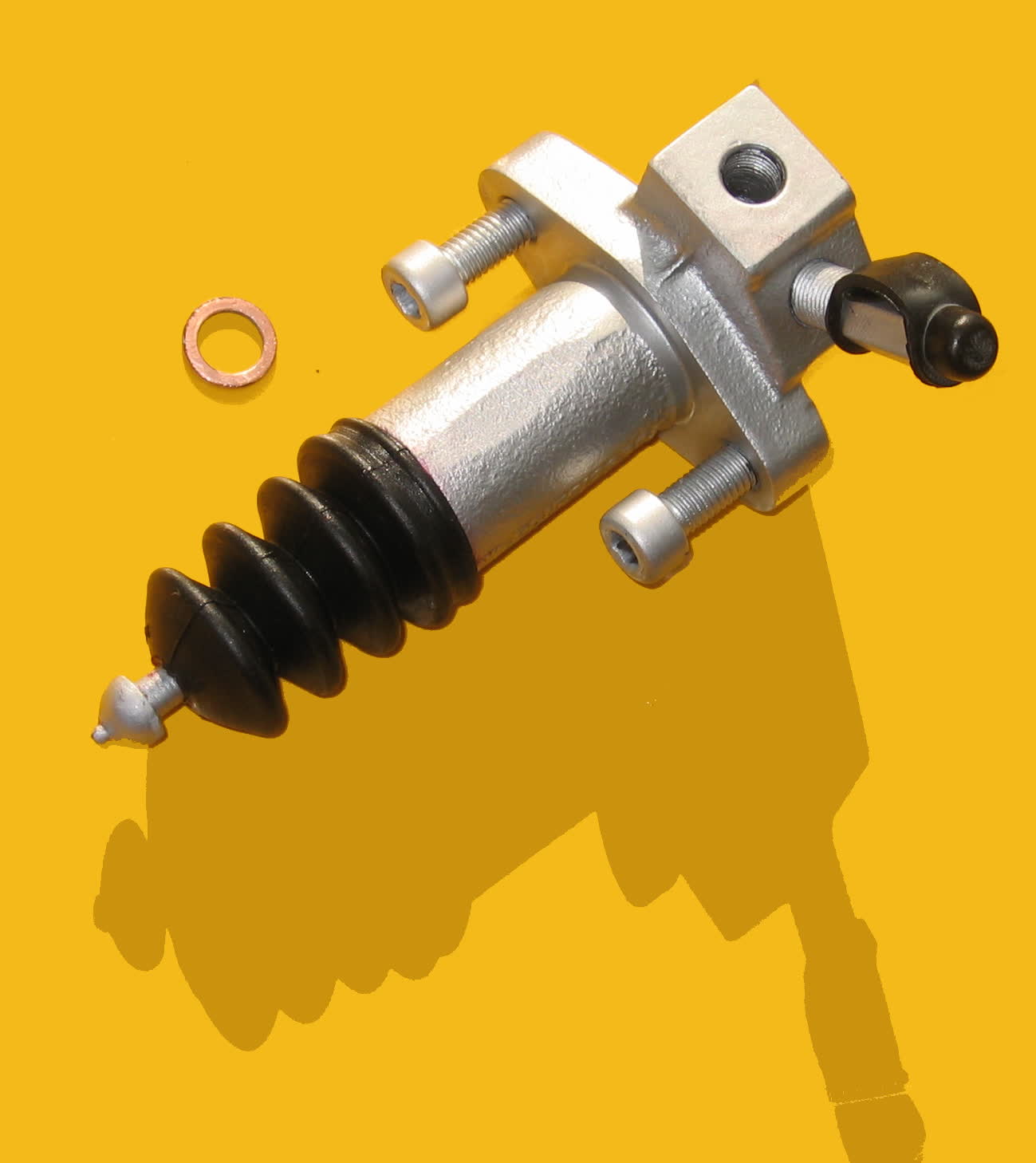
| Figure | 370Z (2013+) | Source |
|---|---|---|
| Worst realistic repair | Clutch slave cylinder (~$900, transmission-out) | we found no published source for this figure |
| Signature issue | CSC/CMC failure (class action + TSB) | Nguyen v. Nissan, 9th Circuit, 2019 (class action over the hydraulic clutch, 370Z 2009 to 2015) and Nissan bulletin P5319 (2015 to 2016 clutch slave cylinder tube service action, 267 cars) |
| Engine watch item | Oil consumption (top up to protect timing chain) | 8020 Automotive, VQ37VHR problems: owner-reported use of about 1 quart per 1,000 to 2,000 miles; low oil starves the timing chain |
| Pre-2013 only | Oil-gallery gasket, electronic steering lock | 8020 Automotive, VQ37VHR problems (gallery gaskets fail on 2012 and earlier engines) and Nissan campaign P3208 (steering column lock, 2009 to 2010 370Z) |
| Track note | Fuel starvation in long corners | CarComplaints, 2012 370Z: one owner report of fuel starvation in a long right-hand turn |
Here is where owning one pays off, so let me tell you what to actually check. Nearly every manual 370Z will meet the clutch slave cylinder problem, common enough to have triggered a class-action lawsuit and a service bulletin. It sits inside the gearbox, so the factory repair means dropping the transmission, but the smart fix is an external-conversion kit for a few hundred dollars. Budget for it and it is a footnote, not a disaster.
The engine item to watch is oil consumption: the VQ37 sips oil, so keep it topped up, because running it low risks stretching the timing chain. I take that seriously, because I had my engine replaced. The good news is that scoping to 2013 or newer removes two of the biggest historical issues, the oil-gallery gasket and the electronic steering lock, both pre-2013 problems. There is also a track fuel-starvation quirk in long corners that a baffle or second pump solves. The bottom line for your decision: this is a known, manageable, cheap-to-fix list, and the engine is durable if maintained. Do the checks and the risk is small.
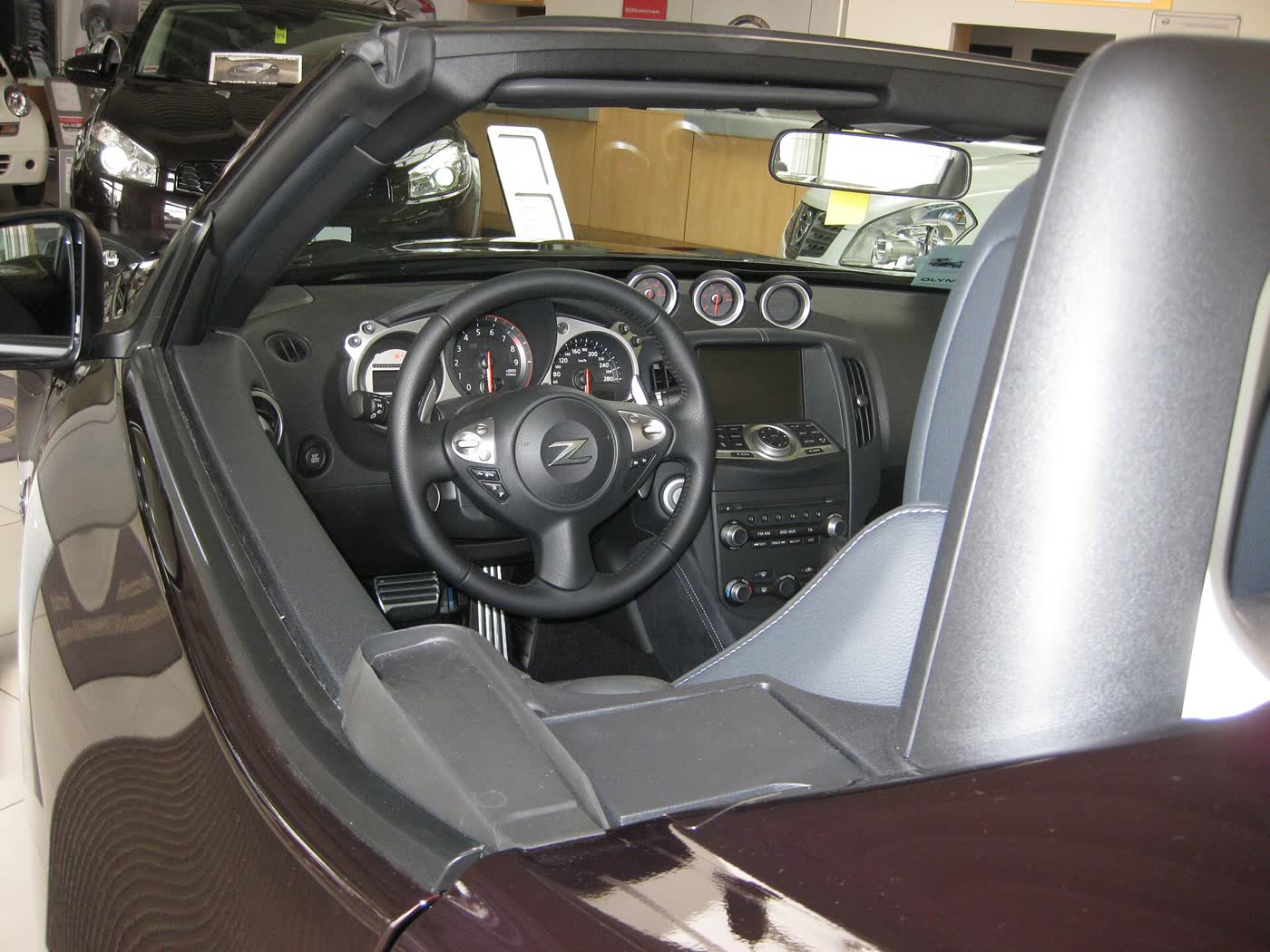
| Figure | 370Z | Source |
|---|---|---|
| Cargo volume | 6.9 cu ft | Nissan 2013 370Z press kit |
| Seats | 2 | Nissan 2013 370Z press kit |
| Body style | Hatchback | Edmunds 2013 review, via Wayback |
| Character | Stiff, loud, dated cabin | our assessment |
This is the 370Z's weakest category, and it is the one most likely to change your mind. You get a usable 6.9-cubic-foot hatch but only two seats, so there is cargo room and no people room. The ride is stiff, the highway is loud, and the interior and technology feel a decade behind, because they are.
It is livable, not comfortable. As a weekend car or a second vehicle, none of this matters and the car is a joy. As an only car that has to handle every commute and errand, the noise, harshness, and dated ergonomics add up quickly. If you have another vehicle, ignore this section. If the 370Z has to do everything, this is the honest cost of entry, and you should sit in one for a long test drive before you commit.
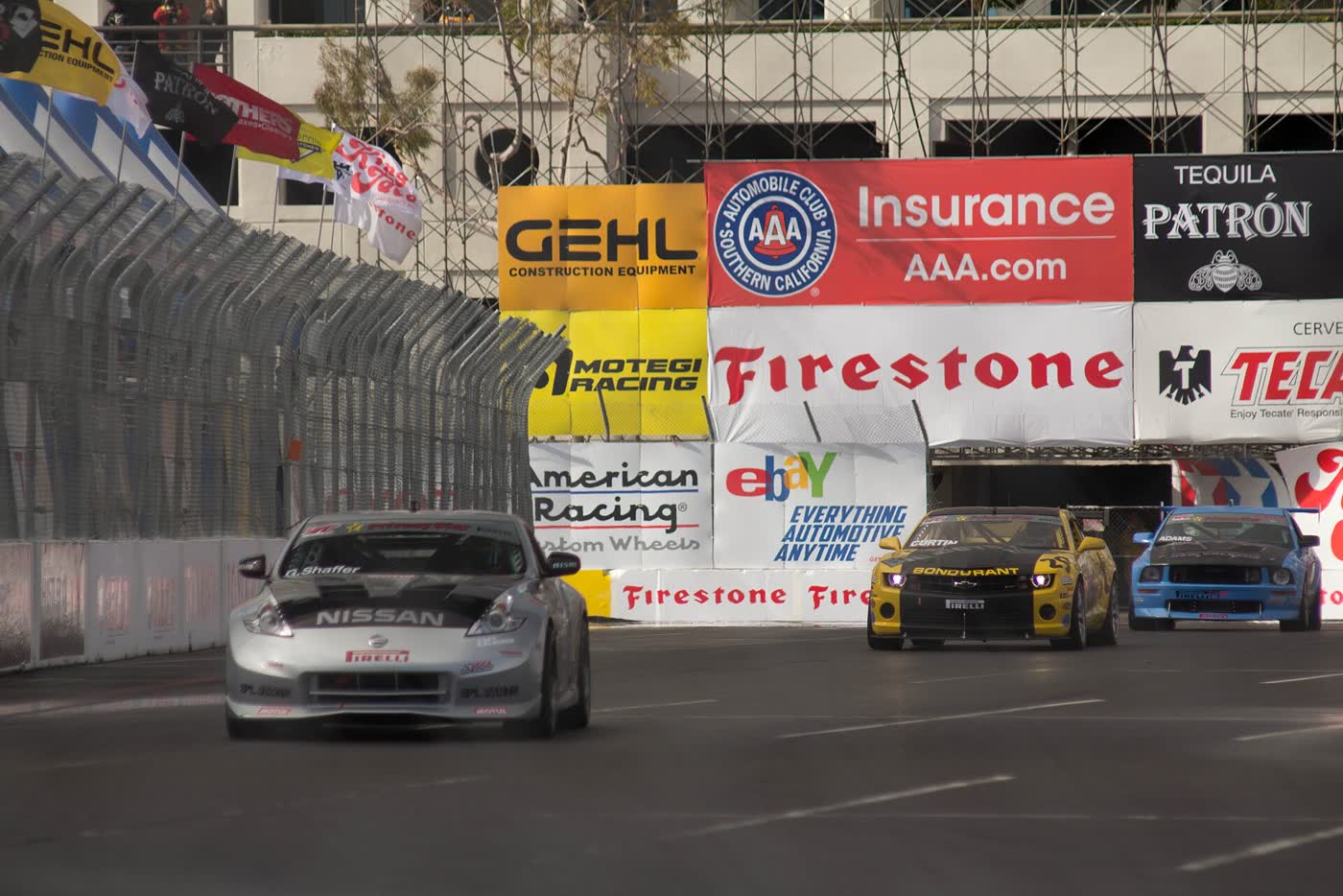
| Figure | 370Z (2013+ Sport) | Source |
|---|---|---|
| Max grip | 0.94 g | we found no published source for this figure |
| 60-0 braking | 108 ft (Edmunds, measured, Bridgestone RE050A) | we found no published source for this figure |
| 70-0 braking | ~148 ft (conversion estimate, not the C&D 70-0 protocol) | our estimate: the 60-0 distance scaled up for the higher speed. Not a measured 70-0. |
| Track hardware | Sport: viscous LSD, Akebono brakes, Rays 19s | Nissan 2013 370Z press kit lists the Sport Package: viscous limited-slip differential, 19-inch Rays forged wheels, Nissan Sport Brakes. The kit does not name Akebono. |
| SCCA Solo class | F Street (FS) | 2026 SCCA Solo Rules, F Street, listed as “370Z (non-NISMO) (2009-20)” |
| Track caveat | Fuel starvation and oil temps on long sessions | CarComplaints, 2012 370Z covers the fuel starvation. Oil temperatures: we found no published source for this figure |
SCCA F Street · shared with the G37, the Mustang GT, the 340i, the Camaro SS, the 335i F30, the 335i, the 350Z, the Charger R/T and the Genesis Coupe on this Board.
This is where the 370Z earns its keep, and where I spent my seat time. It pulls 0.94 g, stops strongly on the Sport's Akebono brakes, runs a limited-slip diff, and has a playful, adjustable rear-drive balance that makes it a genuine track and drift favorite. In SCCA Solo the non-Nismo car runs F Street, next to the 350Z, the G37, and the C63 AMG; the Nismo sits a class up in B Street. It is more raw fun at the edge than the heavier, numb new Z, even giving up grip and power on paper.
The caveats are real and worth planning for: it starves for fuel in long corners and runs hot, so a fuel baffle and an oil cooler belong on the list if you track it seriously, and the rear will step out if you are not awake. For a buyer who wants an engaging, affordable car to actually drive hard, this category is the reason to say yes. Respect its quirks and it delivers a driving experience that punches far above its price.
| Path | Cost | Risk |
|---|---|---|
| Handling / aero / looks | cheap, deep aftermarket | Low |
| Bolt-ons (NA) | small money, ~20-40 hp | Low |
| Forced induction (turbo/SC) | ~$6,000 to $9,000 | High |
| Big power | serious money | Severe |
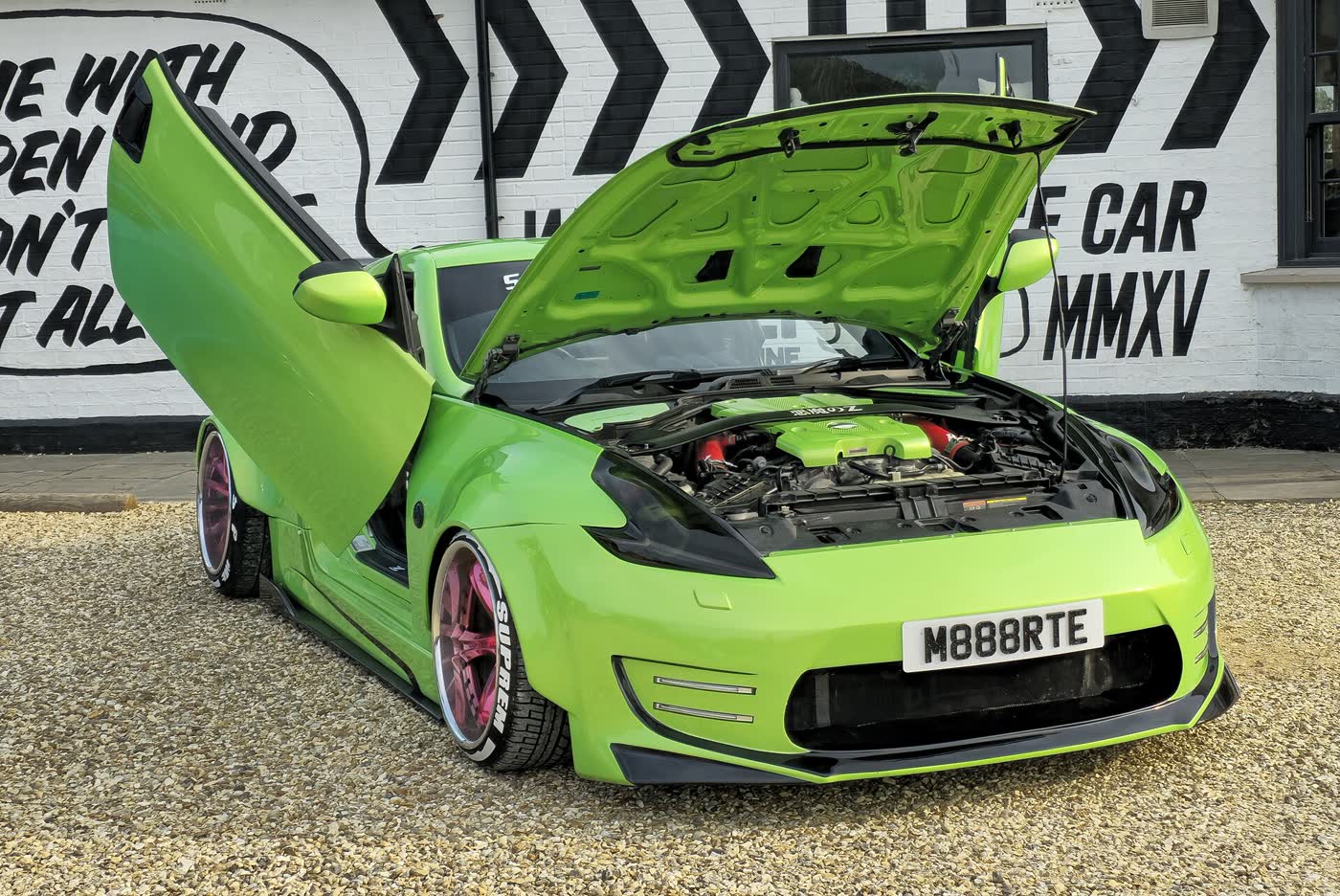
Two paths, and one of them is a trap. Handling, aero, and aesthetics are elite and cheap, because the 370Z shares a deep parts shelf with the 350Z and Infiniti G35. If your plan is to build a sharp-handling, great-looking car on a budget, this is a dream platform.
Power is where you need to think hard. It is a naturally aspirated V6, so bolt-ons barely move the needle, and real power means forced induction, roughly six to nine thousand dollars for a turbo or supercharger, plus the oiling support the engine needs to survive it. Unlike the turbocharged Supra and new Z, big horsepower here is expensive and involved. For most buyers, the right move is to build for handling and looks, enjoy the naturally aspirated character, and leave big power to people with big budgets. Go in knowing that, and the 370Z is one of the most rewarding cheap platforms around; expect cheap horsepower and you will be disappointed.
Buy a 2013-or-newer Sport, check the clutch cylinder and the oil history, and you have 332 horsepower worth owning. Skip it if you need a comfortable daily driver or if cheap horsepower is the goal.
This car is for you if you want an affordable way into genuine rear-drive fun, you value engagement and character over refinement, and you will do the one or two checks it needs. It is not for you if you need everyday comfort, modern tech, or an easy path to big power, in which case the new Z or another car in the class will serve you better. The 370Z is last on our Board on points, but it wins the value category outright, and for the right buyer that makes it a genuine bargain.
So you wanna buy a 370Z. I owned one, so I will be straight with you: it is $18,000 for 332 horsepower, and there is one part that breaks on almost every single one. Whether you should buy it comes down to knowing that part exists and checking for it. Let me walk you through the whole car.
We scored it as a 2013-or-newer 370Z in Sport trim with the manual, and it landed at 47 out of 70. That is 47 out of 70, but do not let the number fool you, because it wins the category that matters most to a lot of buyers. Here is the story, section by section.
This is the 370Z's whole appeal. A clean Sport runs about $18,000, and base cars start near $13,000. For that money you are getting a 332-horsepower, rear-wheel-drive sports car, roughly the price of a used economy sedan. It is the cheap entry to a proper rear-drive coupe.
And here is the part that surprises people: it has stopped depreciating. These cars have bottomed out, and clean examples are holding their money and in some cases creeping up as the last of the affordable naturally aspirated Japanese coupes. Be honest with yourself that this is a decade-old car that already took its depreciation hit, so it is not the same as a newer car holding value from a fresh purchase, but the practical result is the same: buy a good one and you are unlikely to lose money on it. Get the Sport trim specifically, because it brings the limited-slip differential, the bigger Akebono brakes, the Rays wheels, and rev-match. Base cars miss the good hardware, and the Nismo costs a lot more.
Old-school, in the best and worst ways. The 332-horsepower naturally aspirated V6 revs to 7,500 and howls the whole way, something no turbocharged car in this class can give you. It runs to 60 mph in around 5.1 seconds, and the rev-match system blips the throttle for you on downshifts, which is still a satisfying trick years later.
The honest downsides are that it feels heavier than the newer stuff, the shifter is notchy, the brakes are grabby until you learn them, and the cabin is dated by modern standards. This is a raw, analog car in an era of polished ones. For the right buyer that is exactly the appeal. If you want refinement and modern tech, you will feel this car's age immediately, so know which of those two people you are.
Cheap to buy, not cheap to run. Expect about $5,590 a year. The thirsty naturally aspirated 3.7-liter wants premium fuel and returns only around 21 mpg combined, so fuel is the biggest line by a wide margin. Wide staggered tires add to it, and insurance is mid-pack, 22nd of 115 sports cars, so it is reasonable but not the bargain the purchase price is.
The takeaway is that the low buy-in hides turbo-car running costs. That is not a dealbreaker for most people, especially given how little you spent to get in, but do not assume a cheap car to buy is automatically a cheap car to own. Budget for the fuel, because the VQ engine drinks.
I owned one, so let me tell you exactly what to look at, not what a listing tells you. There is one issue you will meet on almost every manual 370Z: the clutch slave cylinder. It has failed on so many of these cars that it triggered a class-action lawsuit and a service bulletin. The frustrating part is that it lives inside the gearbox, so the factory fix means dropping the transmission, but the smart move is an external-conversion kit for a few hundred dollars. Budget for it going in and it is a minor thing rather than a nasty surprise.
The engine item to watch is oil consumption. The VQ37 sips oil, so you have to keep it topped up, because running it low risks stretching the timing chain over time. I take this one seriously, because I had my engine replaced. And two older problems, the oil-gallery gasket and the electronic steering lock, were both pre-2013 issues, which is the single biggest reason we scope this car to 2013 or newer. Buy a later car and you sidestep both. There is also a track note: the 370Z can starve for fuel in long corners as the fuel slides away from the pickup, and a baffle or a second pump fixes it. The honest verdict is a known, manageable list, all of it cheap-ish, and an engine that is tough if you keep oil in it.
This is the weakest part of the car, and I felt it living with one. You get a 6.9-cubic-foot hatch and two seats, so there is some cargo room but no space for people. The ride is stiff, especially on the Sport, it is loud on the highway, and the interior and tech are well behind anything modern.
It is livable, not comfortable. As a fun weekend or second car it is brilliant. As your only car, it asks you to put up with a fair amount of noise, harshness, and dated ergonomics every single day. If you have another vehicle in the household, this barely matters. If the 370Z has to do everything, go in with your eyes open about what a daily grind in one actually feels like.
This is where the 370Z earns its keep, and where I spent most of my time in mine. It pulls 0.94 g of grip, stops hard thanks to the Sport's Akebono brakes, runs a limited-slip differential, and has a playful, adjustable rear-drive balance that makes it a genuine track-day and drift staple. If you want to race it, the non-Nismo car classes into F Street in SCCA Solo, with the Nismo bumped up to B Street. It is more raw fun at the edge than the heavier, numb new Z, even though it gives up grip and power on paper.
The caveats I learned the hard way: it starves for fuel in long corners and it runs hot, so a fuel baffle and an oil cooler are on the list if you track it seriously, and the rear will step out if you are not paying attention. That last part is a feature or a warning depending on your skill and your mood. Buy it, respect it, and it rewards you in a way few cheap cars do.
Two paths, and one of them is a trap. Handling, aero, and looks are elite and cheap, because the 370Z shares a deep parts shelf with the 350Z and the Infiniti G35. You can build a gorgeous, razor-sharp handling car for very little money, and that is the smart way to modify this car.
Power is the trap. It is a naturally aspirated V6, so bolt-ons barely move it, maybe 20 to 40 horsepower for real money. Actual power means forced induction, roughly six to nine thousand dollars for a turbo or supercharger, and the engine needs oiling support to survive it. So unlike the turbocharged Supra and new Z, big horsepower here is expensive and involved. My advice is to build it for handling and looks, enjoy the naturally aspirated character, and do not chase big numbers unless you are ready to spend real money.
This is the obvious comparison, old Z versus new Z, and it is closer than you would think. The 370Z is far cheaper, more raw and engaging at the limit, and it holds its value. The new Z is much faster, has a huge turbo mod ceiling, and is more comfortable, but it is heavier and numb by comparison. On our Board the new Z edges ahead, 47 to 46, but the 370Z is the purist's and the value buyer's pick.
So the choice is about what you want from the car. If you want maximum power potential and modern comfort, the new Z is worth the extra money. If you want an engaging, affordable way into a rear-drive Nissan coupe, and you like the analog naturally aspirated character, the 370Z is still the more charming car. They are two very different takes on the same idea.
Buy a 2013-or-newer Sport, check the clutch cylinder and the oil history, and you have 332 horsepower worth owning. Skip it if you need a comfortable daily driver or if you want cheap horsepower, because neither is what this car does.
The 370Z finished at 47 out of 70, last in its segment, but that number is the sum of a dated daily and expensive power potential dragging down a car that is brilliant where it counts. It lands level with the Miata ND on the Deal, with the budget-tier NC Miata the only cheaper car we have scored, and it is engaging at the limit. For the buyer who wants a cheap, characterful, rear-drive toy and will do the one or two checks it needs, it is a bargain that is hard to argue with.
Filming reference: cue sheet · for the hosts on set, not part of the review.
The frame that closes our video: the 370Z at 47/70, with the Nissan Z and the Supra 3.0 alongside.