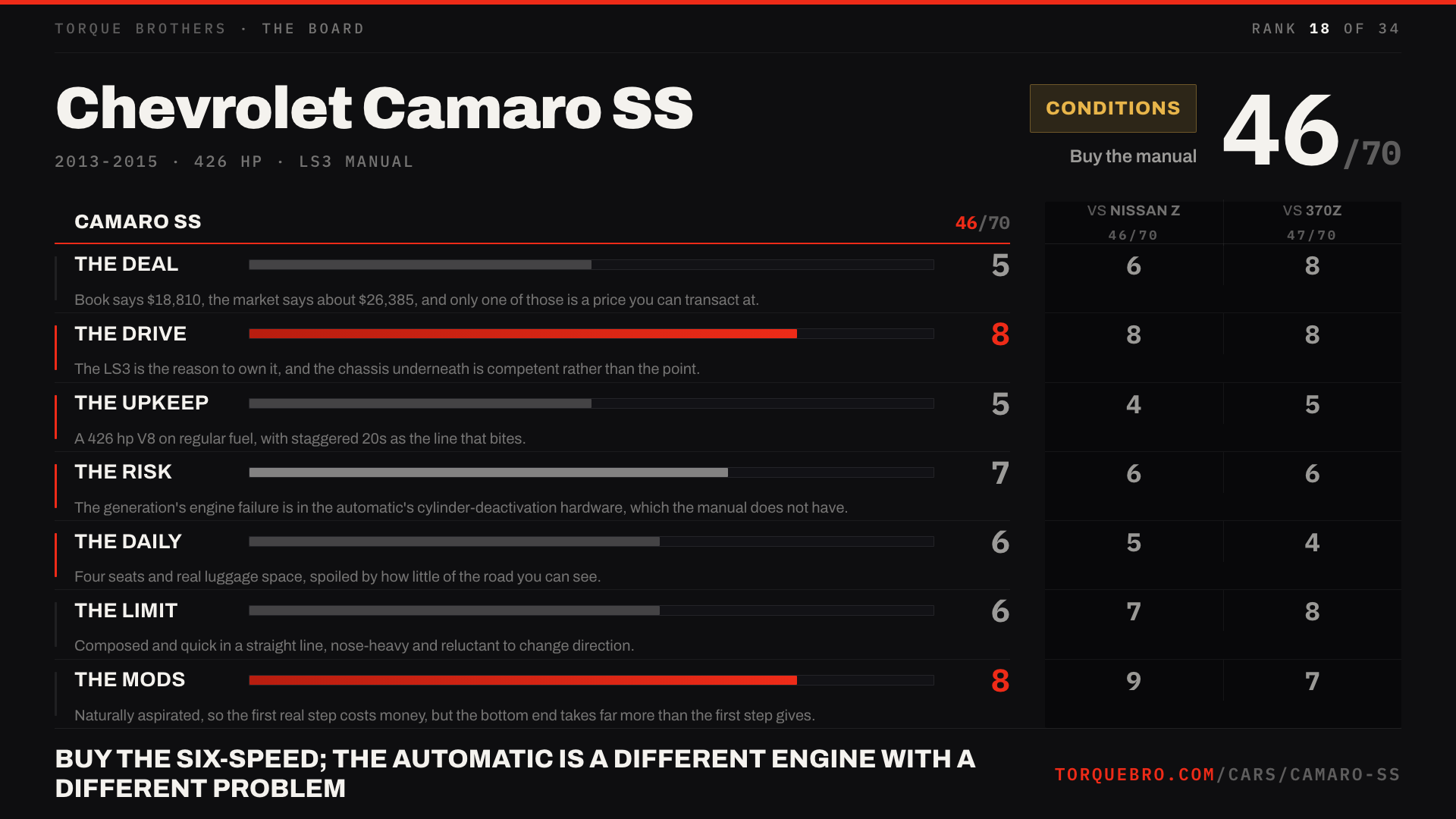
2013-2015 · SS · 6.2 LS3 · Six-speed manual
First-hand: Ramon owns a Camaro. His is a sixth-generation car, newer than the one scored here, and in the middle of a full build.
Buy the six-speed. The automatic is a different engine with a problem the manual does not have, and it is slower.
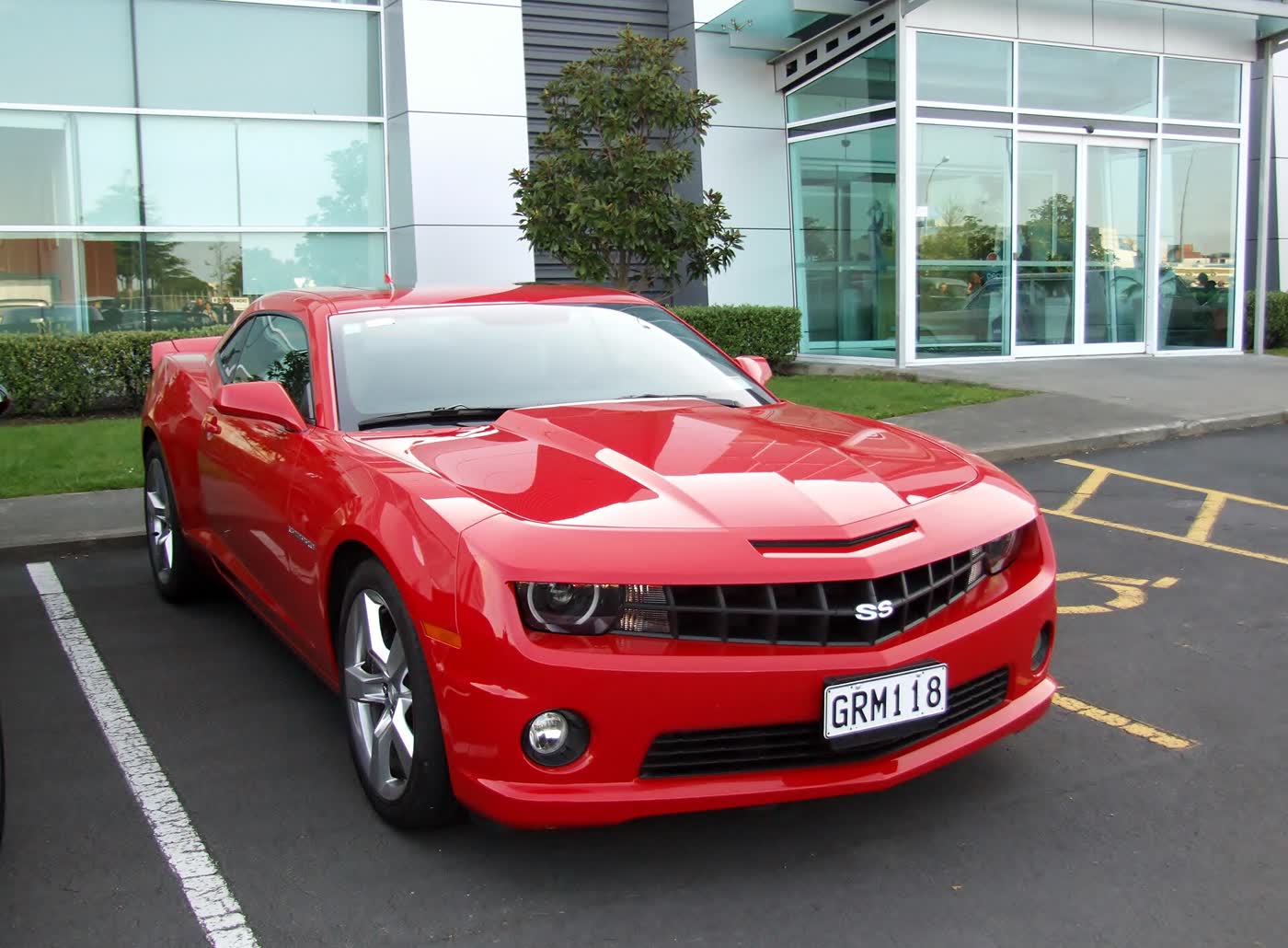
This car is for someone who wants a large-capacity V8 and a manual gearbox for the money a used four-cylinder hot hatch costs, and who is willing to walk away from every automatic on the lot to get it.
All money figures use a fixed set of assumptions so they can be compared to other cars we cover: 12,000 miles a year, insurance for a 40-year-old with a clean record on full coverage, and fuel at the octane the car is rated on. Read the note under The Deal about mileage before you take the running costs literally for this car.
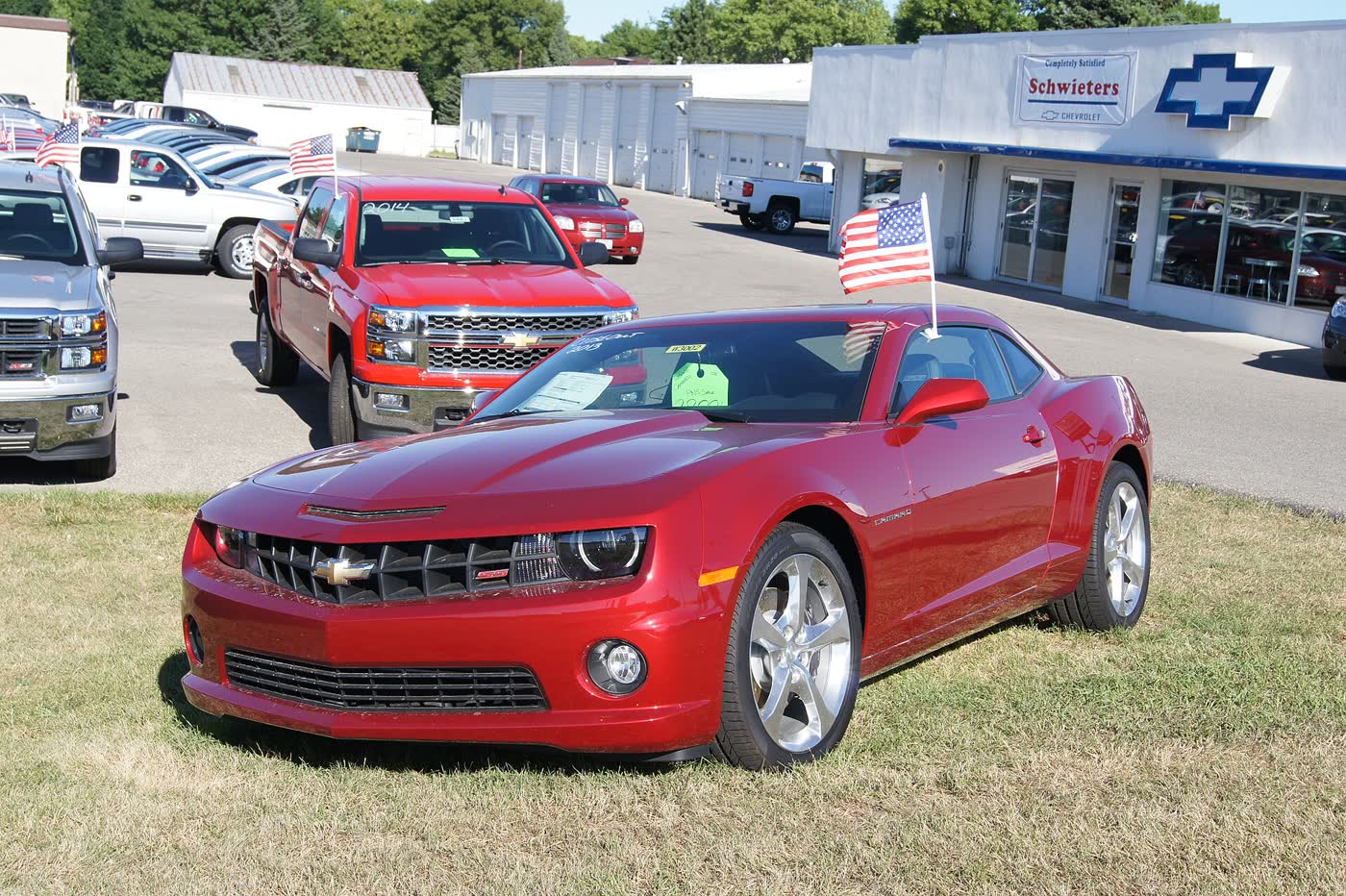
| Figure | Camaro SS (2013-2015, 6.2 LS3, 6MT) | Source |
|---|---|---|
| Used buy-in, private party | $18,810, Good condition | KBB |
| Condition basis | Good, private party, KBB's own “typical mileage for this model” (the mileage is not stated) | KBB |
| Live asking median | $26,385 across 10 SS listings, $17,735 to $30,483 | Cars.com |
| Asking against book | 1.40x | derived: $26,385 divided by $18,810 |
| Median listed mileage | 58,230 miles, about 4,850 a year | Cars.com |
| Dollars per horsepower | $44.2/hp on book, $61.9 on the asking median | derived: $18,810 and $26,385 each divided by 426 hp |
| Resale value, 2023 to 2025 | $14,998, $12,635 and $12,510 for a 2014 SS coupe | KBB value history |
| What you lose | About $1,631 a year, 8.7% a year | derived: $18,810 at the 2023-2025 rate of change in the row above |
| Against the going rate | $18,810 against about $20,920 for 9.2 lb per hp (0.90x) | derived: what our Board's cars pay for that power-to-weight, explained on How We Score |
~ our estimate, not a measured or quoted figure. Why we mark figures
The Deal on this car comes with a warning that applies to no figure we have published before. Kelley Blue Book puts a Good-condition private-party SS at $18,810. Ask what a running one costs on a dealer lot and the answer is about $26,385. That is 1.40 times book, and the gap is not rounding.
Here is what is going on, because it matters when you are negotiating. The two SS listings we found over 100,000 miles were asking a median of $19,216, which is within $400 of the book figure. Book is not wrong. It is describing a high-mileage car that almost nobody is selling, because the median Camaro SS on the market has 58,230 miles on a twelve-year-old chassis. These cars get driven about 4,850 miles a year.
So budget against asking, not against book, and treat any car near $18,000 as a car you need to look at very carefully rather than a bargain. Clean low-mileage cars are asking close to $30,000.
Two figures decide the Deal score, and both use book like every other car we cover. What you would lose: KBB's value for a 2014 SS went from $14,998 in 2023 to $12,510 in 2025, about $1,631 a year at book. What you get: $18,810 buys 9.2 lb per hp, against about $20,920 for what that power-to-weight usually costs across our Board. Fairly priced for what it does, and losing real money while you own it.
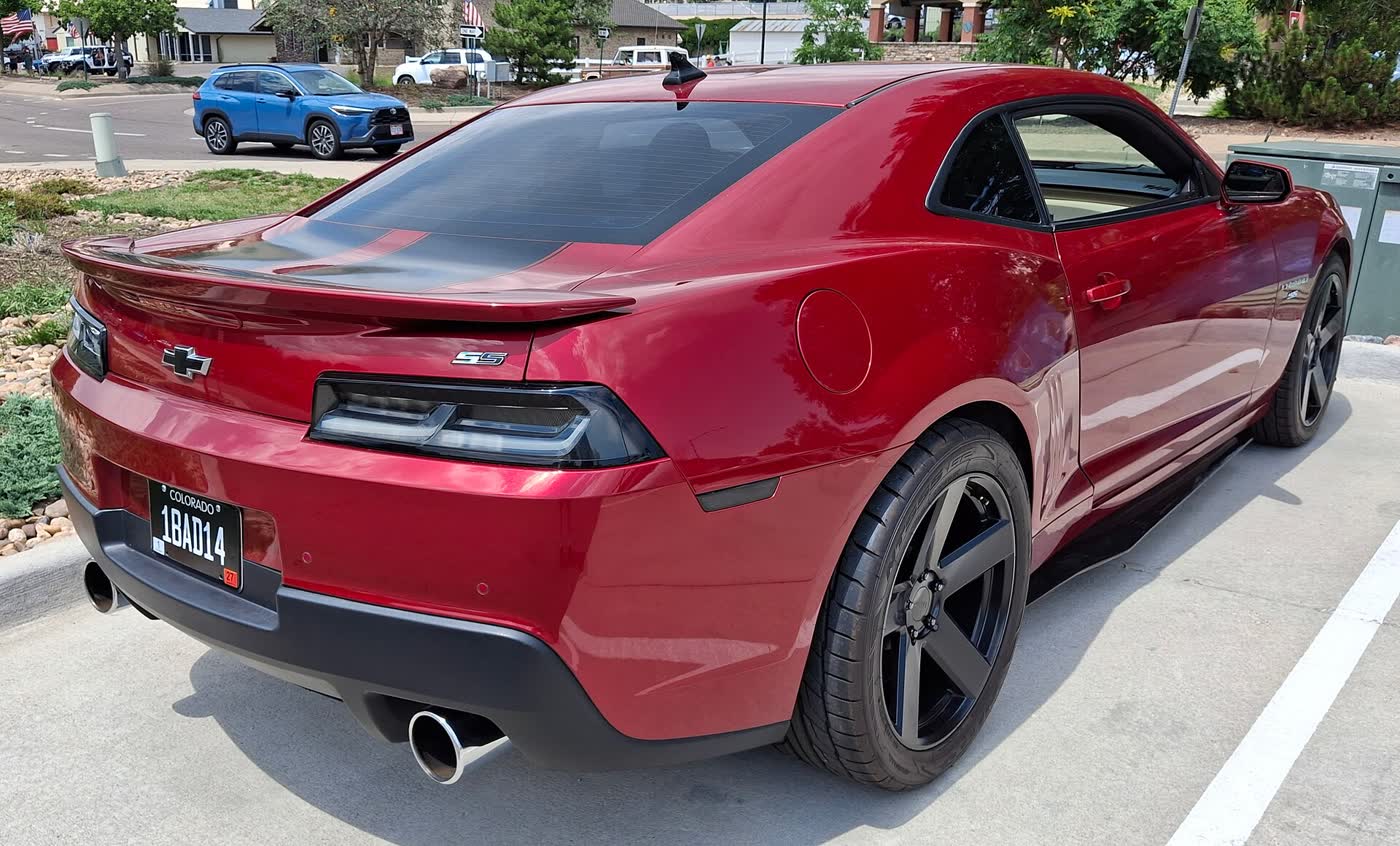
| Figure | Camaro SS (2013-2015, 6.2 LS3, 6MT) | Source |
|---|---|---|
| Power-to-weight | 9.2 lb per hp | derived: 3,908 lb divided by 426 hp |
| Power | 426 hp at 5,900 rpm (LS3, manual). The L99 automatic makes 400. | KBB |
| Torque | 420 lb-ft at 4,600 rpm (LS3, manual). The L99 makes 410. | KBB |
| Curb weight | 3,908 lb (approximate; the source page mixes manual and automatic data) | KBB |
| 0-60 mph | Not captured. MotorWeek's 4.5s is a 1LE, which has a different final drive. | MotorWeek |
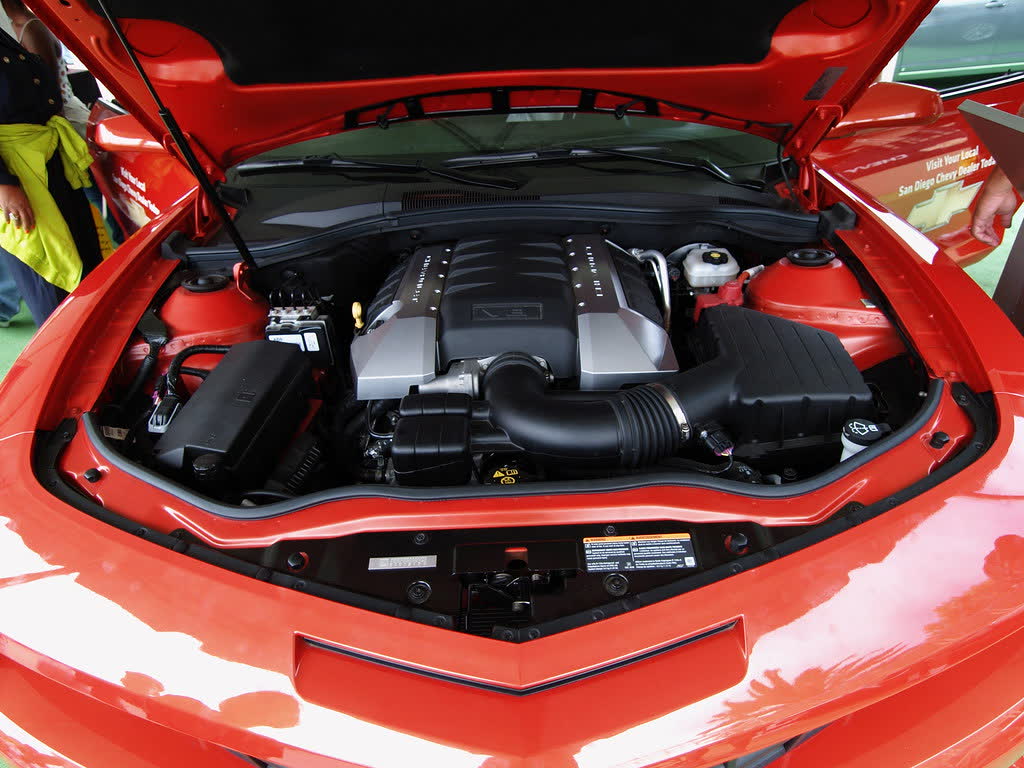
| Engine | 6.2L LS3 V8, pushrod, no cylinder deactivation | KBB |
The single most important sentence in this review: on the fifth-generation Camaro SS, the transmission you pick decides which engine you get. Order the six-speed manual and the car has the LS3, making 426 hp at 5,900 rpm and 420 lb-ft at 4,600. Order the automatic and it has the L99, making 400 hp and 410 lb-ft, with cylinder deactivation bolted to it.
That is 26 horsepower, but the engine swap matters far more for what it does to The Risk than for what it does to a stopwatch, so read that section before you decide the difference is small. In isolation, the LS3 is the reason to own this car. It is a large, lazy, naturally aspirated V8 that pulls from anywhere in the rev range and sounds like the thing it is.
What it is bolted into is competent rather than remarkable. At roughly 3,908 lb this is a heavy car, and 9.2 lb per hp tells you it is quick without telling you it is agile. You feel the mass on turn-in and you feel it again under braking. Note that we have not published a 0-60 figure: the instrumented number most often quoted for this car comes from a 1LE, which has a close-ratio gearbox and a shorter final drive, so it does not describe the car we scored.
| Figure | Camaro SS (2013-2015, 6.2 LS3, 6MT) | Source |
|---|---|---|
| Annual running cost | $5,165 | derived: fuel $2,211 plus insurance $1,924 plus tires $530 plus service $500 |
| EPA combined | 19 mpg on regular (manual). The automatic returns 18 on the same fuel. | fueleconomy.gov |
| Fuel | $2,211 a year | derived: 12,000 miles at 19 mpg, 87 octane at $3.50 |
| Insurance | $1,924 a year, 2013-2015 average | MoneyGeek |
| Tires | Staggered 245/45R20 front, 275/40R20 rear, so they cannot be rotated | Tire Size |
| Tire set | About $1,060 a set, roughly $530 a year | SimpleTire |
Roughly $5,165 a year, and the headline is what it burns. The manual is EPA-rated at 19 mpg combined on regular. You do not need to feed this V8 premium, which puts its fuel bill at about $2,211 a year against several four-cylinder cars we cover that require 91.
There is a joke buried in the automatic here. Active Fuel Management exists to save fuel by shutting down half the cylinders, and the L99 still rates 18 mpg combined against the manual's 19. It costs you 26 horsepower and returns nothing on the sticker.
The line that does bite is tires. The SS runs staggered 245/45R20 at the front and 275/40R20 at the rear, which means they cannot be rotated and both axles wear at their own pace. Budget about $1,060 a set. Insurance at $1,924 a year is reasonable for the power, and at 7.3 percent of what you will actually pay for the car, full coverage still makes sense on this one.
| Figure | Camaro SS (2013-2015, 6.2 LS3, 6MT) | Source |
|---|---|---|
| AFM lifter failure | $3,200-5,000. Automatic only: GM's bulletin lists the Camaro SS by RPO code L99, and the LS3 has no AFM hardware. | GM PIP4568R |
| Ignition key recall | 14V346000, all 2010-2014 Camaros. A knee can knock the key out of run. Remedy is a redesigned key, free. | NHTSA |
| Engine complaints | 46 on a 2010, 4 on a 2014 | NHTSA |
| Electrical complaints | 55, 56 and 74 across 2013-2015, of which 132 are MyLink infotainment | NHTSA |
| Worst realistic repair, in scope | A clutch, $1,791 to $2,071. Nothing catastrophic: the AFM lifter is not fitted to the manual. | RepairPal |
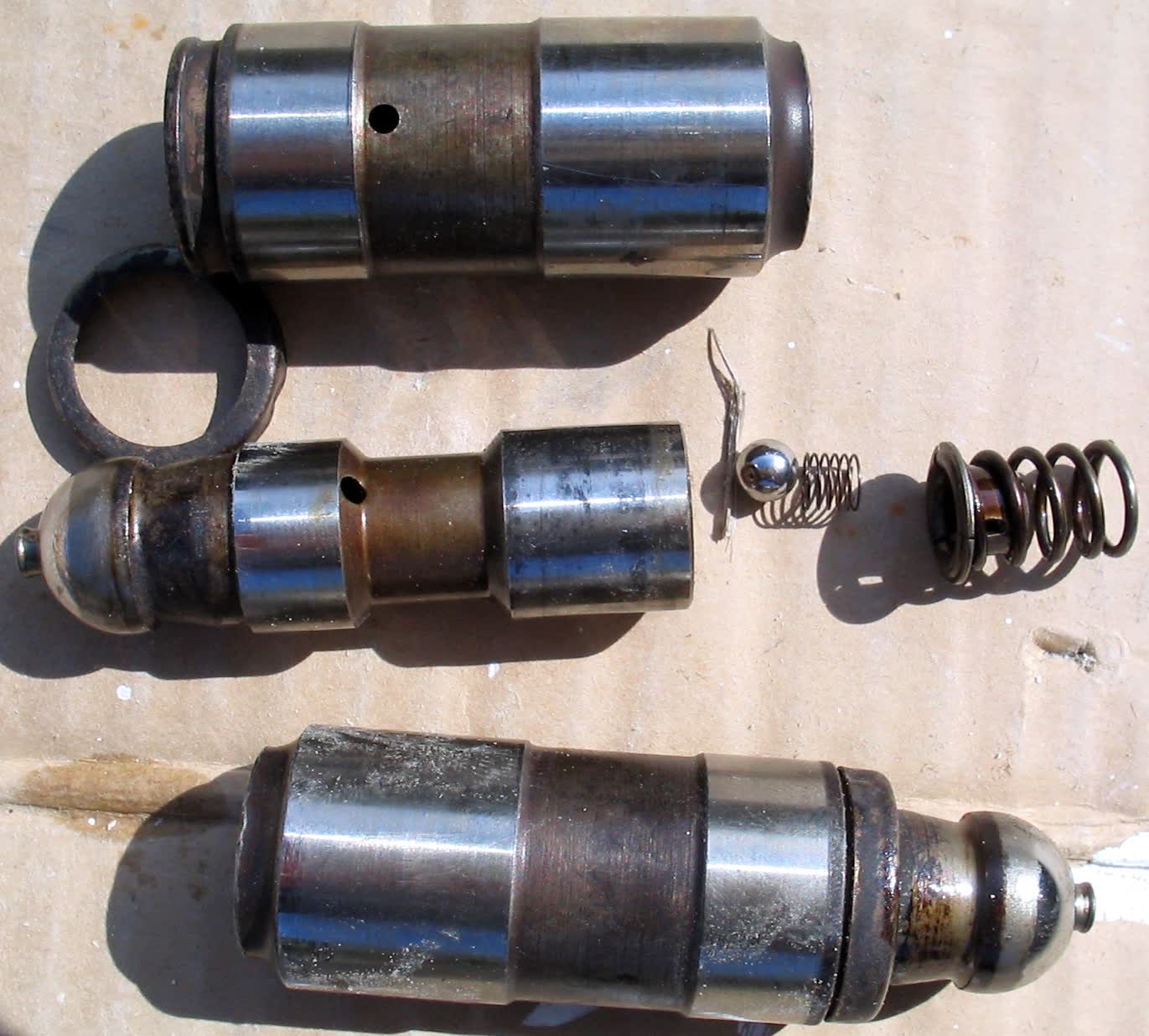
This is the section that earns the verdict, and it splits exactly along the gearbox. The failure the fifth-generation SS is known for is AFM lifter collapse: a deactivating lifter fails to re-lock or sticks, wipes the camshaft lobe, and you are into a camshaft and a full set of lifters at $3,200 to $5,000.
Read GM's own bulletin on it. PIP4568, reissued in January 2015, is titled "Tick Noise And/or Misfires On AFM Cylinders 1 4 6 And/or 7", and it lists the Camaro SS qualified to engines with Active Fuel Management, by RPO code, including L99. The LS3 is not on that bulletin at any model year, because it has no AFM hardware to fail. Buy the manual and this failure is not a risk you are carrying. Buy the automatic and it is.
What remains on a manual car is manageable. Recall 14V346000 covers every 2010-2014 Camaro: a driver's knee can knock the key out of the run position, which cuts the engine and takes the airbags and power steering with it. The remedy is a redesigned key and it is free, so check it by VIN rather than asking the seller. Beyond that, expect MyLink infotainment trouble, which accounts for 132 of the electrical complaints filed against 2013-2015 cars. Mechanically the late cars are strong: engine complaints fall from 46 on a 2010 to 4 on a 2014.
| Figure | Camaro SS (2013-2015, 6.2 LS3, 6MT) | Source |
|---|---|---|
| Cargo volume | 11.3 cu ft | KBB |
| Seats and doors | 4 seats, 2 doors | KBB |
| Infotainment | MyLink from 2013: Bluetooth and a colour screen, no CarPlay | NHTSA complaint file |
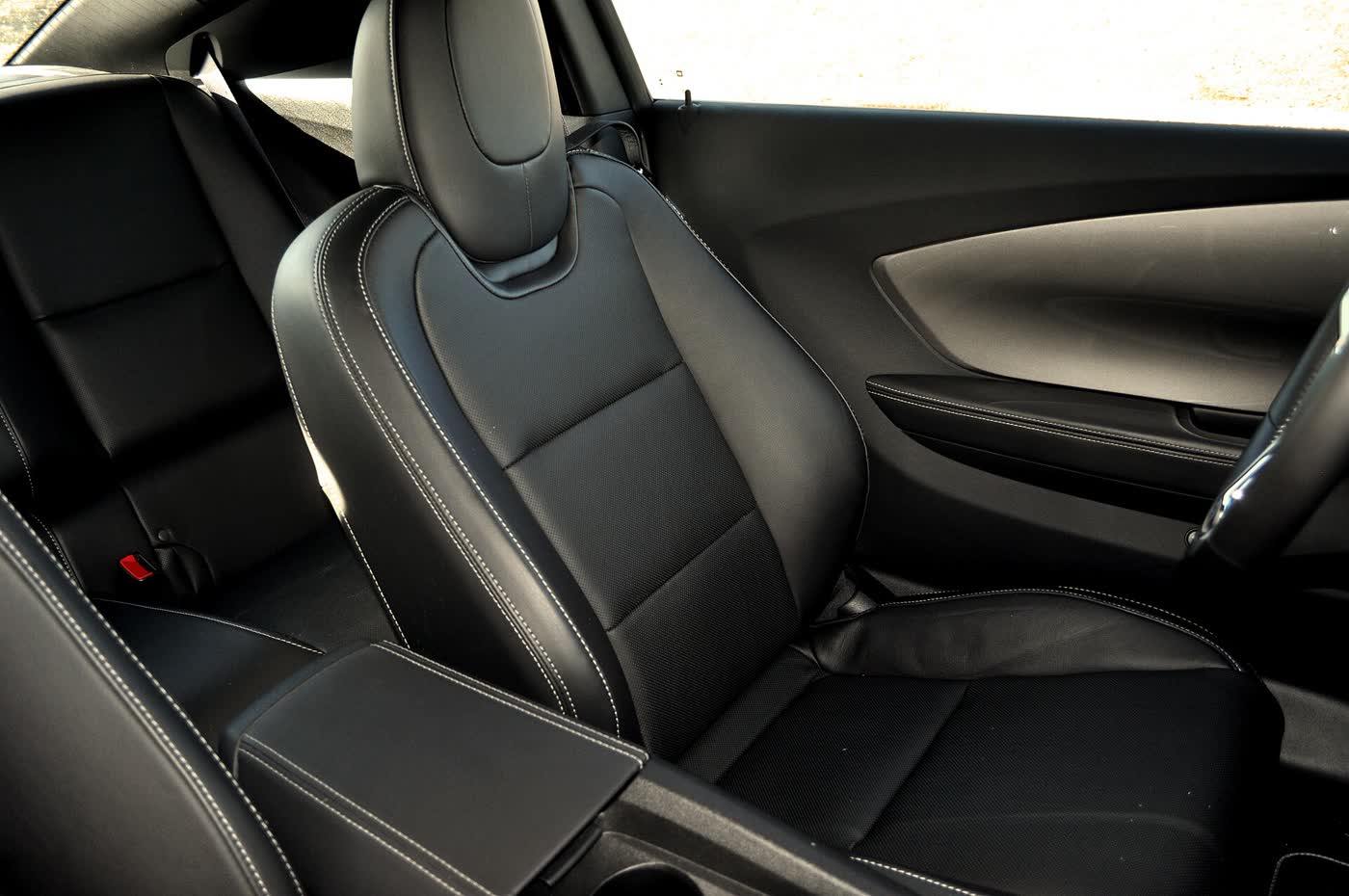
Four seats, two doors and 11.3 cu ft of trunk, which is more usable space than the coupe shape suggests and enough for a weekend for two. MyLink arrived in 2013, so a colour screen and Bluetooth are standard even if the unit itself is a known weak point.
The problem is what you can see out of. A high belt line and shallow glass make this a difficult car to place on the road, to park, and to change lanes in. It is the first thing owners raise and the first thing reviewers raised when it was new, and no amount of camera and sensor retrofitting entirely fixes the driving position.
Whether that matters depends on your commute. As a weekend car it is a non-issue, and the market tells us that is mostly how these are used. As a car you drive in heavy traffic every day, sit in one before you commit.
| Figure | Camaro SS (2013-2015, 6.2 LS3, 6MT) | Source |
|---|---|---|
| SCCA Solo class | F Street, listed as “Camaro SS (incl. 1LE) (2010-15)” | 2026 SCCA Solo Rules |
| Factory tires | 245/45R20 front, 275/40R20 rear. The 1LE runs 285/35R20 square. | Tire Size |
| Lateral grip | Not captured. Period figures were set on tires no longer sold. | see class |
| Curb weight | 3,908 lb, which sets the ceiling here | KBB |
SCCA F Street · shared with the G37, the 370Z, the Mustang GT, the 340i, the 335i F30, the 335i, the 350Z, the Charger R/T and the Genesis Coupe on this Board.
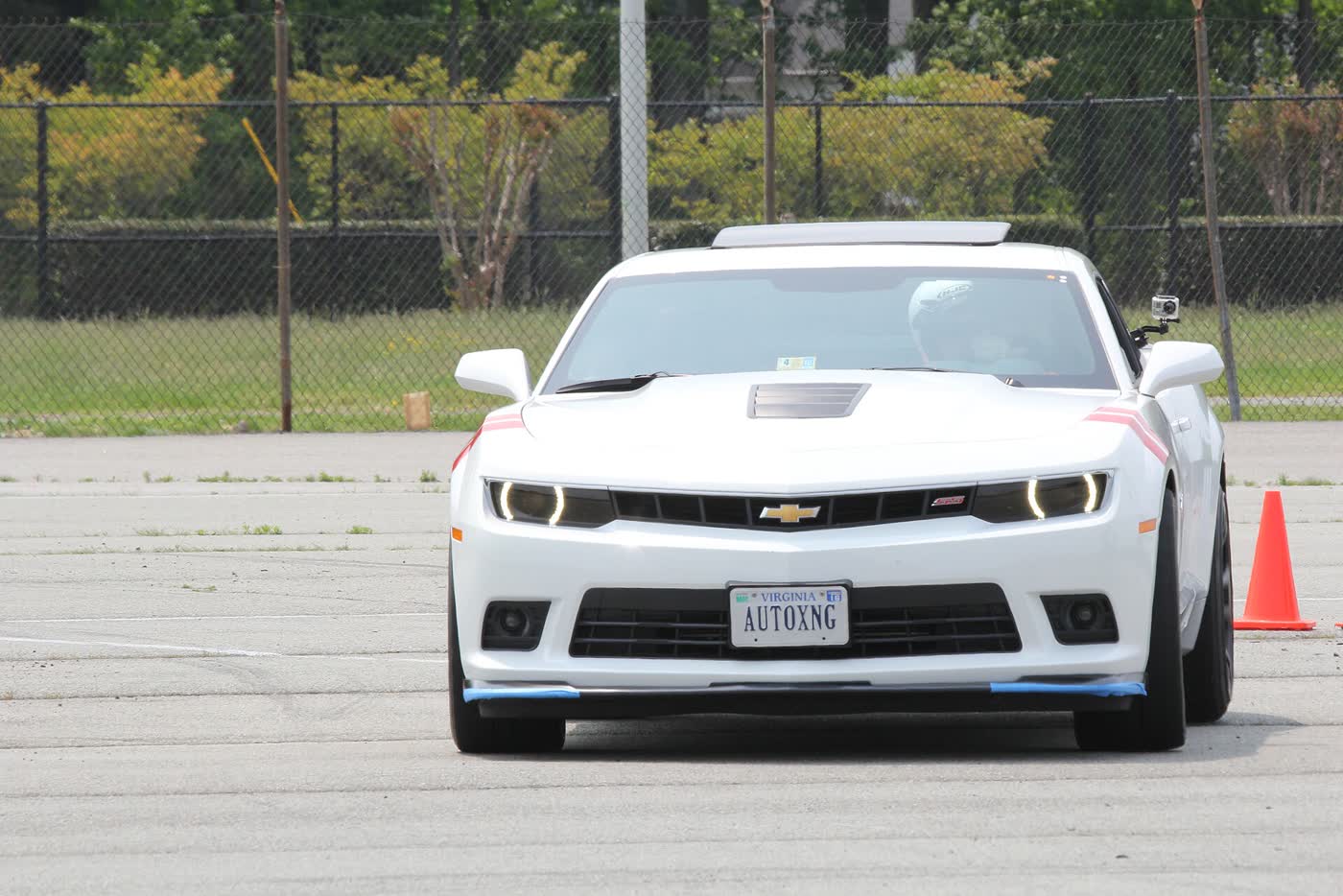
The SS runs in F Street under the 2026 SCCA Solo rules, listed there as "Camaro SS (incl. 1LE) (2010-15)". That puts it in the same class as several rear-drive coupes we have scored, so class tells you where it competes rather than how good it is.
What decides this category is mass. At about 3,908 lb the car is composed and quick down a straight and reluctant to change direction, and it understeers before it does anything else. The limited-slip differential is standard, which helps put the power down, but it does not make the car feel smaller than it is.
We have not published a grip figure. Period numbers for this car were set on tires that are no longer sold, and the instrumented tests most often quoted are of the 1LE, which runs a square 285/35R20 setup rather than the SS's staggered 20s. Quoting either as though it described a standard SS would be wrong.
| Path | Cost | Risk |
|---|---|---|
| Bolt-ons (headers, intake, exhaust, tune) | ~$3,500 | Low |
| Suspension and wheels | ~$2,000 to $4,000 | Low |
| Camshaft package | ~$5,000 to $8,000 | Low to moderate |
| Supercharger | ~$7,000 to $9,000 | Moderate |
| Past 600 whp | $12,000+ | High: rebuild territory |
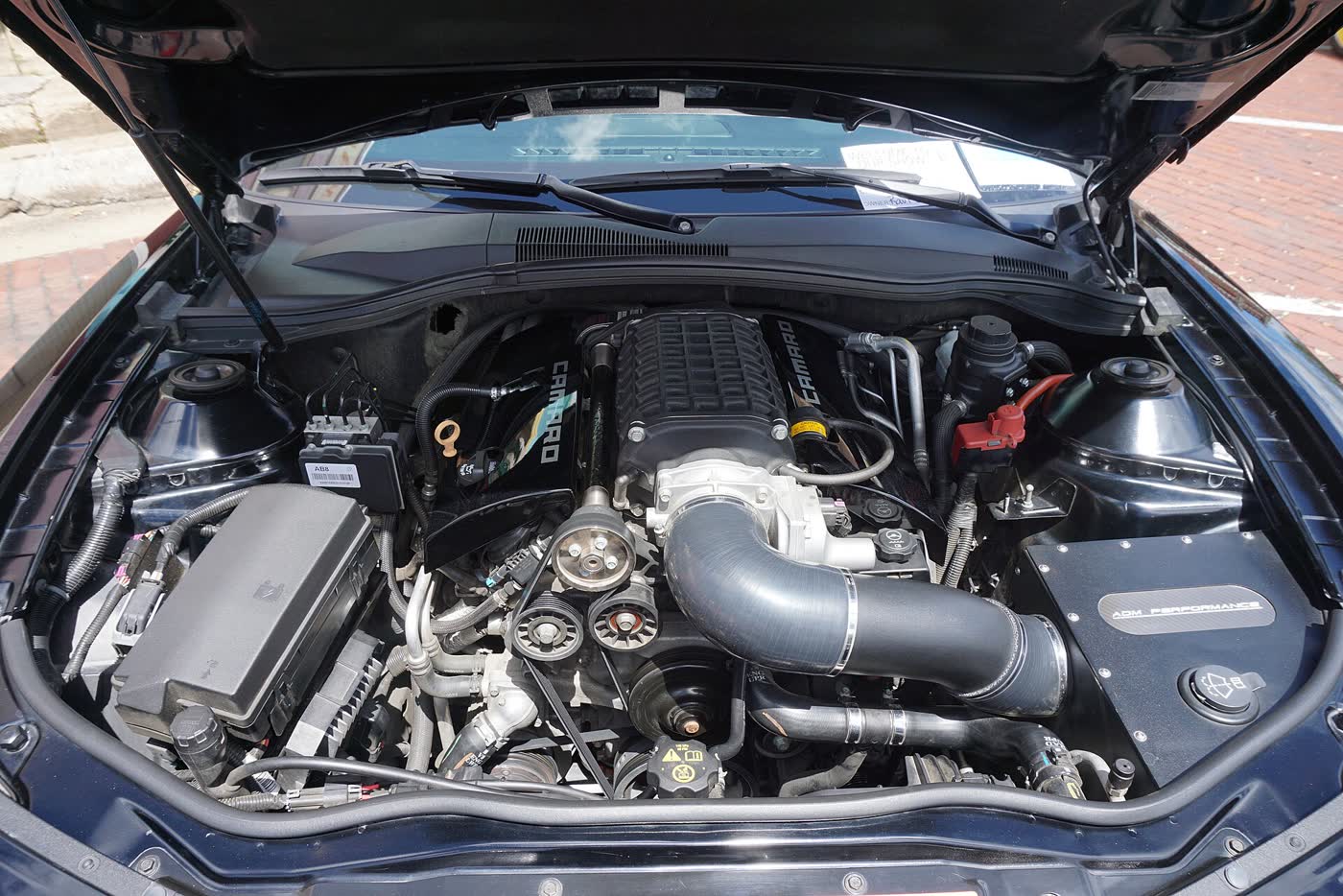
The LS3 is a well-understood engine with a deep, cheap parts supply, because it is shared across the Corvette, the Camaro and the wider LS swap world. Long-tube headers, an intake, an exhaust and a tune run about $3,500 installed and are worth in the region of 50 wheel horsepower, which works out near $7,000 per 100 whp.
The bottom end is the good news. It takes 550 to 600 wheel horsepower with boost before you are into a rebuild, so a supercharger is a realistic destination rather than a terminal decision.
And there is a point specific to this car that is worth stating plainly: on the manual, modifying it does not accelerate the failure it is known for. The AFM lifter problem lives in hardware the LS3 does not have, so power and failure never intersect. On the automatic that stops being true, and adding power to a deactivating valvetrain is the wrong direction.
Buy the six-speed. That one decision gets you 426 hp instead of 400, and it takes the engine failure this generation is known for off the table entirely, because the LS3 has none of the cylinder-deactivation hardware GM's bulletin is written about. Clear recall 14V346000 by VIN, cycle every MyLink function, and price the car off asking rather than book.
This car is for you if you want a V8 and a clutch pedal for hot-hatch money and you have somewhere to park a wide, heavy coupe you cannot see out of. It is not for you if the only ones in your budget are automatics, if you need to place a car precisely in traffic every day, or if you were expecting the $18,810 book figure to be a real price.
We scored the Camaro SS as a 2013 to 2015 car with the 6.2 LS3 and the six-speed manual, and it landed at 46 out of 70, with a verdict of Buy the six-speed.
So you want a V8 and you have hot-hatch money. Here is the short version before we get into it: the 2013-2015 Camaro SS is a lot of engine for what people are asking, and the entire review comes down to which pedal box it has. Get that right and this is an easy recommendation. Get it wrong and you have bought the version with a known engine failure and less power.
This is the part where the usual sources will mislead you. Kelley Blue Book values a Good-condition private-party SS at $18,810. Go shopping and the median asking price across the SS listings we pulled was $26,385, with clean low-mileage cars close to $30,000. That is 1.40 times book.
Book is not lying, it is describing a different car. The two listings we found over 100,000 miles were asking a median of $19,216, which lands within $400 of the KBB number. The catch is that the median Camaro SS for sale has 58,230 miles on a twelve-year-old car, which works out to about 4,850 miles a year. These are weekend cars, and the market is priced accordingly.
What that means for you at the negotiating table: use asking prices as your baseline, and treat a car advertised near book as one that needs a very close look rather than one that is a steal.
This is the question that decides everything else, and a lot of buyers do not know it exists. On the fifth-generation SS, Chevrolet fitted a different engine depending on the transmission. Manual cars got the LS3: 426 hp at 5,900 rpm, 420 lb-ft at 4,600, no cylinder deactivation. Automatic cars got the L99: 400 hp, 410 lb-ft, and Active Fuel Management, which shuts down four of the eight cylinders under light load.
The 26 horsepower is the part people notice. It is not the part that matters. Active Fuel Management is the source of the engine failure this generation is known for, and we will come to it in the reliability section. It is enough to say here that the manual buyer takes more power and less risk in the same decision.
One more wrinkle, since it does not even pay for itself: the automatic rates 18 mpg combined against the manual's 19. The fuel-saving system loses to the car without it.
Less than you would guess. We put it at about $5,165 a year on our standard assumptions, and the reason it is not worse is fuel grade. The 6.2 is EPA-rated on regular, not premium, so it burns roughly $2,211 a year at 19 mpg combined. There are four-cylinder cars we have scored that cost more to fuel than this V8 because they require 91 octane.
Insurance came in at $1,924 a year on our standard profile, which is fair for the output. Against what you will actually pay for the car, that is 7.3 percent of its value annually, so full coverage still makes sense here in a way it stops making sense on cheaper cars.
Tires are the line that bites. The SS runs a staggered setup, 245/45R20 at the front and 275/40R20 at the rear, so they cannot be rotated and you replace them as they wear rather than as a set on a schedule. Budget about $1,060 when the time comes.
Here is the failure, and here is why the gearbox keeps coming up. On engines with Active Fuel Management, a deactivating lifter can fail to re-lock or collapse and stick. When it does, it wipes the lobe off the camshaft. The repair is a camshaft and a full set of lifters, and it runs $3,200 to $5,000.
You do not have to take our word for it, because GM documented it. Its preliminary information bulletin PIP4568, reissued in January 2015, is titled "Tick Noise And/or Misfires On AFM Cylinders 1 4 6 And/or 7". It lists the Chevrolet Camaro SS among the affected models, qualified to engines with Active Fuel Management by RPO code, and L99 is on that list. The LS3 is not on the bulletin at any model year, for the simple reason that it has no AFM hardware in it.
So if you are looking at an automatic, get an AFM compression test on cylinders 1, 4, 6 and 7 before you buy, and treat a tick with a misfire code on one of those as the bulletin's exact signature. If you are looking at a manual, this failure is not on your list.
Two other items belong on any inspection. Recall 14V346000 covers all 2010-2014 Camaros: a driver's knee can knock the ignition key out of the run position, which shuts off the engine and disables the airbags and power steering. The fix is a redesigned key and it is free, so run the VIN yourself. And MyLink screens fail often enough that 132 of the electrical complaints filed against 2013-2015 cars are infotainment rather than anything mechanical. Mechanically these late cars are good: engine complaints drop from 46 on a 2010 car to 4 on a 2014.
It has four seats, two doors and 11.3 cu ft of trunk, so on paper it can. In practice the answer turns on visibility. The high belt line and shallow glass that make the car look the way it does also make it hard to place on the road, hard to park and hard to change lanes in.
If it is a weekend car, this is a non-issue, and the mileage on the used market suggests that is how most owners treat theirs. If you plan to sit in traffic in it five days a week, go and sit in one first. That is not a recommendation against the car, it is the one thing a spec sheet will not tell you.
It runs in F Street under the current SCCA Solo rules. What decides how it feels is mass: at roughly 3,908 lb it is composed and fast in a straight line, and it asks to be muscled through direction changes. It understeers before it does anything else, and the standard limited-slip differential helps traction more than it helps agility.
We deliberately have not published a grip number for this car. The figures you will find quoted are usually from a 1LE, which runs a square 285/35R20 tire setup and a different final drive, and period tests of the standard car were run on rubber that is no longer sold. Neither describes what you would buy.
The LS3 shares its parts supply with the Corvette and the whole LS swap world, so the aftermarket is deep and prices are sane. Headers, an intake, an exhaust and a tune run about $3,500 installed and are worth in the region of 50 wheel horsepower, which is roughly $7,000 per 100 whp. The stock bottom end will take 550 to 600 wheel horsepower with boost, so a supercharger is a normal step rather than a last one.
There is a point here specific to this car. On the manual, modifying it does not accelerate the failure it is known for, because that failure lives in hardware the LS3 does not have. That is not true of every car we cover, and it is not true of the automatic version of this one.
Buy the six-speed. It gets you the LS3 with 426 hp, and it removes the engine failure this generation is known for rather than mitigating it. Clear recall 14V346000 by VIN, cycle the infotainment, and budget against asking prices rather than book.
The Camaro SS finished at 46 out of 70 on our Board. It gives up points for a mass it cannot hide, for visibility you have to live with, and for costing meaningfully more than its book value suggests. What it returns is a naturally aspirated V8 and a manual gearbox that runs on regular fuel for about $5,165 a year.
Filming reference: cue sheet · for the hosts on set, not part of the review.
The frame that closes our video: the Camaro SS at 46/70, with the Nissan Z and the 370Z alongside.