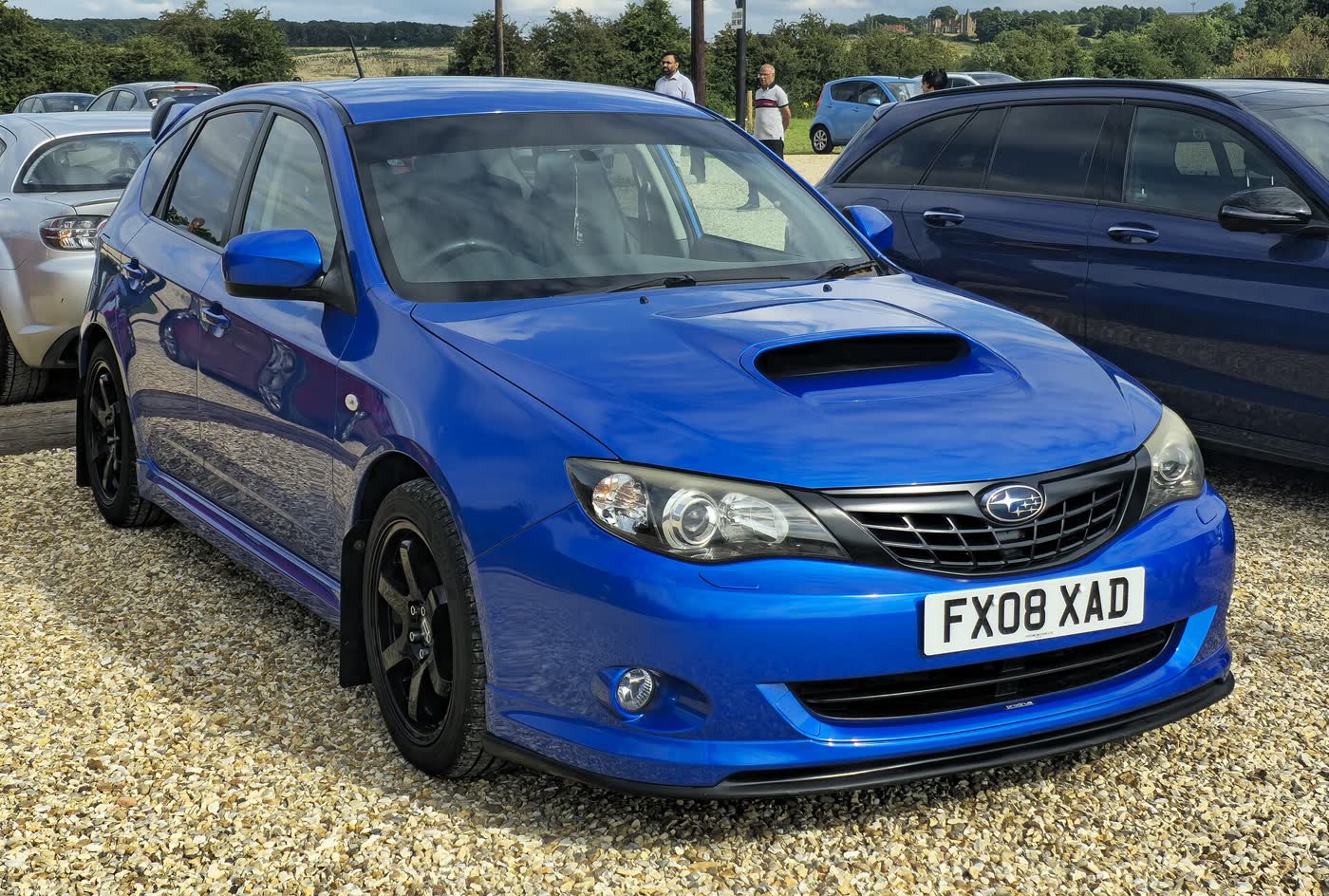
2009-2011 · EJ255 · 5MT, Symmetrical AWD
The all-wheel-drive car in our budget tier, and a $4,000 to $7,000 engine bill if you buy the wrong one. Ringlands and a compression test is the only thing that finds them. Buy the one nobody has tuned. The skip case is not needing the traction.
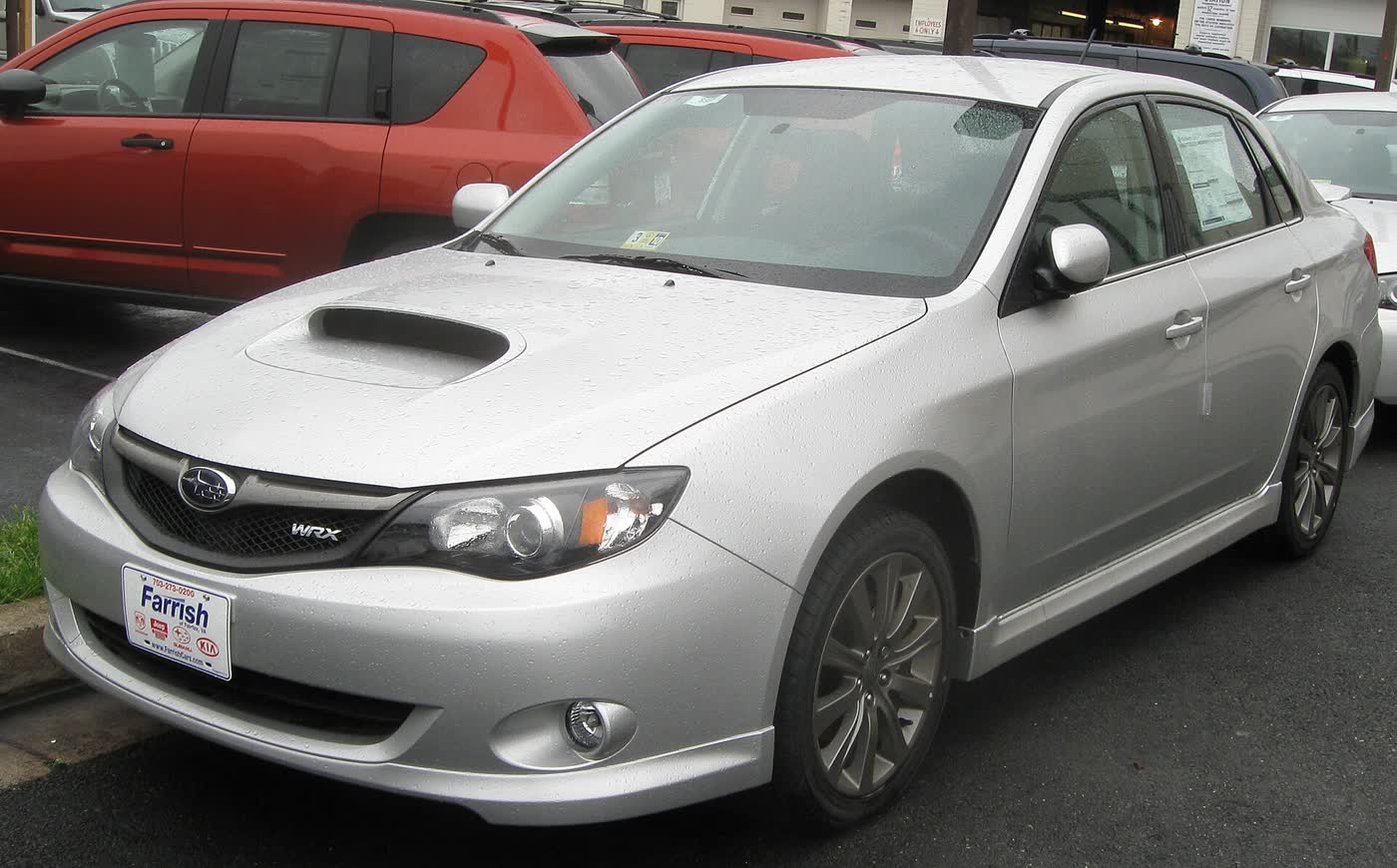
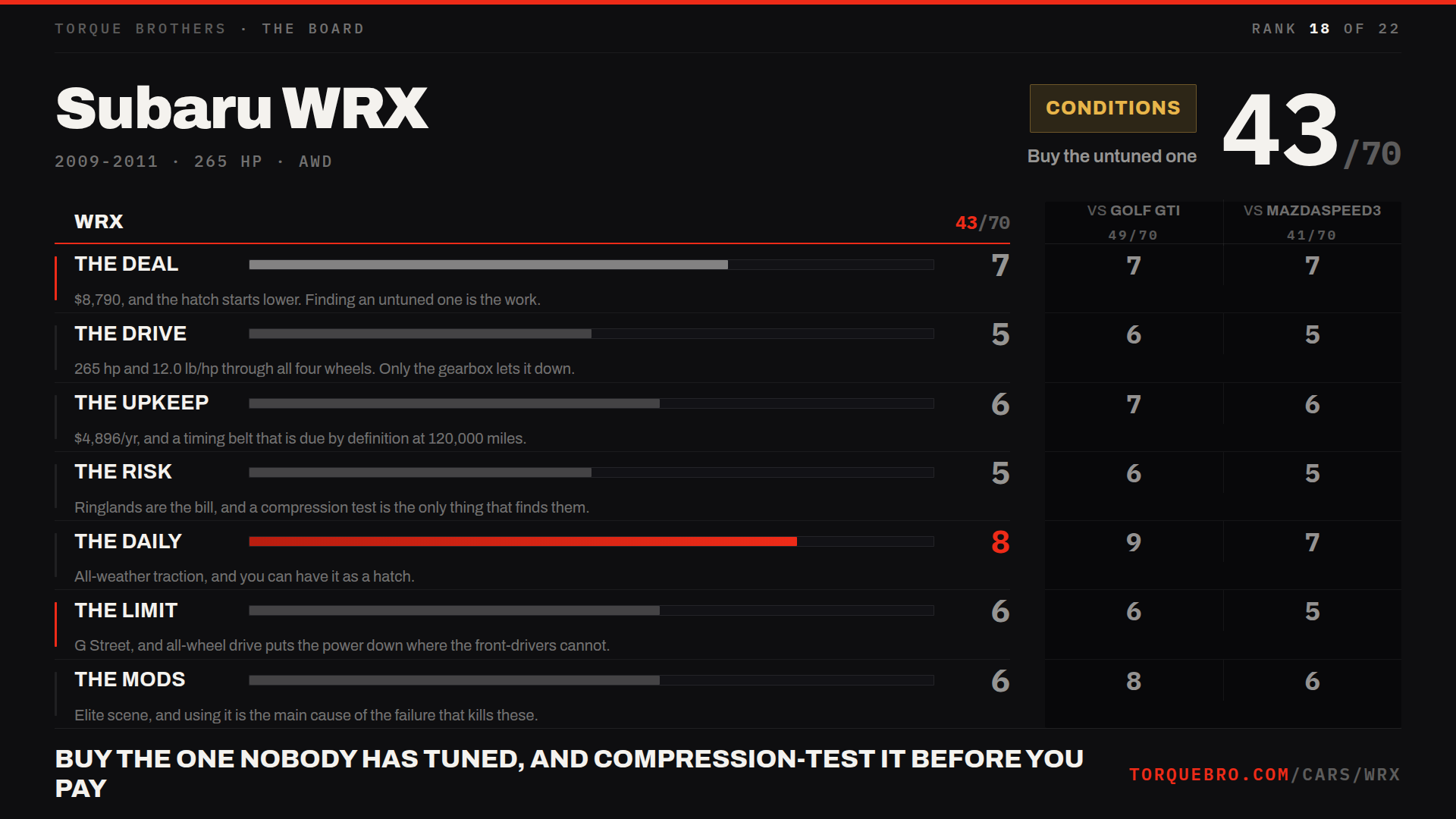
We scored the car as a 2009 to 2011 WRX with the EJ255 and the five-speed manual, and it landed at 43 out of 70, with a verdict of Buy the one nobody has tuned, and compression-test it before you pay.
This car is for someone who needs a car that works in winter, wants it to be quick, and is willing to shop patiently for a stock example. That last clause is doing most of the work, and The Risk explains why.
All money figures use a fixed set of assumptions so they can be compared to other cars we cover: 12,000 miles a year, premium fuel at $4.00 a gallon, and full coverage insurance. Prices are Kelley Blue Book private-party at 120,000 miles in Good condition, which is the flat basis this whole budget tier uses. Insurance is MoneyGeek, the same source and profile as the rest of the budget tier, so those figures are comparable to each other.
| Figure | WRX (2009-2011, EJ255, 5MT) | Source |
|---|---|---|
| Used buy-in, private party | $8,790 | KBB |
| Condition basis | 120,000 miles, Good | KBB |
| Full condition range | $7,240 to $9,165 | KBB |
| Sport Wagon hatch, from | $5,325, a cheap way in | KBB |
| Dollars per horsepower | $33.2/hp | derived: $8,790 divided by 265 hp |
~ our estimate, not a measured or quoted figure · * there is a caveat, and the note under the table explains it. Why we mark figures
The Deal scores a 7. Eight thousand seven hundred and ninety dollars buys 265 horsepower and all-wheel drive, which works out to $33.2 per horsepower. That sits above the Mazdaspeed3's $32.6 and well below the Civic Si's $39.4, so on the sticker this is a mid-pack result in a tier where mid-pack is respectable.
The interesting number is the one below it. The Sport Wagon hatch starts at $5,325 at the bottom of its range, which is a lot less money for a car that is more useful, and the reason we scored the sedan is that it is the configuration most people shop for rather than the one we would buy. If you are flexible on body style, start with the hatch.
The thing that actually costs you money here is not in this table. It is that the used market for this car is dominated by modified examples, and the modification is what drives the failure in The Risk. Finding a cheap WRX is easy. Finding a stock one takes patience, and patience is the price. Budget more time than money.
One correction we owe you: an earlier draft of our research put this car at about $28 per horsepower and compared it against G37 and 350Z numbers. All three were computed against placeholder prices before we pulled KBB at 120,000 miles. The figure above is the current one.
| Figure | WRX (2009-2011, EJ255, 5MT) | Source |
|---|---|---|
| Power-to-weight | 12.0 lb per hp | derived from the figures below |
| Power | 265 hp | The Car Connection |
| Torque | 244 lb-ft | The Car Connection |
| Curb weight | 3,174 lb | Edmunds |
| 0 to 60 mph | Not captured | see below |
| Drivetrain | Symmetrical all-wheel drive, standard | CarBuzz |
| Transmission | 5-speed manual | CarBuzz |
The Drive scores a 5. Twelve pounds per horsepower is a strong figure for the money, and the all-wheel drive changes what that figure means in practice: this car puts its power down in conditions where the front-drivers in this tier are spinning a wheel and the rear-drivers are being careful. On a damp back road that gap is larger than the specification sheet suggests.
The mark against it is the gearbox. This is a five-speed, and the STI got the six. At highway speed it is the car's most-criticised trait, and it is the kind of thing you notice every day rather than occasionally.
We publish no 0 to 60 time for this car, and we want to say why rather than leave a blank. The only figure we could find was a roughly 5.2 second European-market estimate from a site our own source audit lists as CAPTCHA-blocked and unverifiable by any means available to us. Publishing a foreign-market estimate from a source we cannot open would be dressing up a guess. It reads Not captured until somebody runs an instrumented US test.
The usual caveat applies and applies harder here: these are as-new figures, and a 120,000-mile turbocharged engine makes less. How much less depends entirely on the next section.
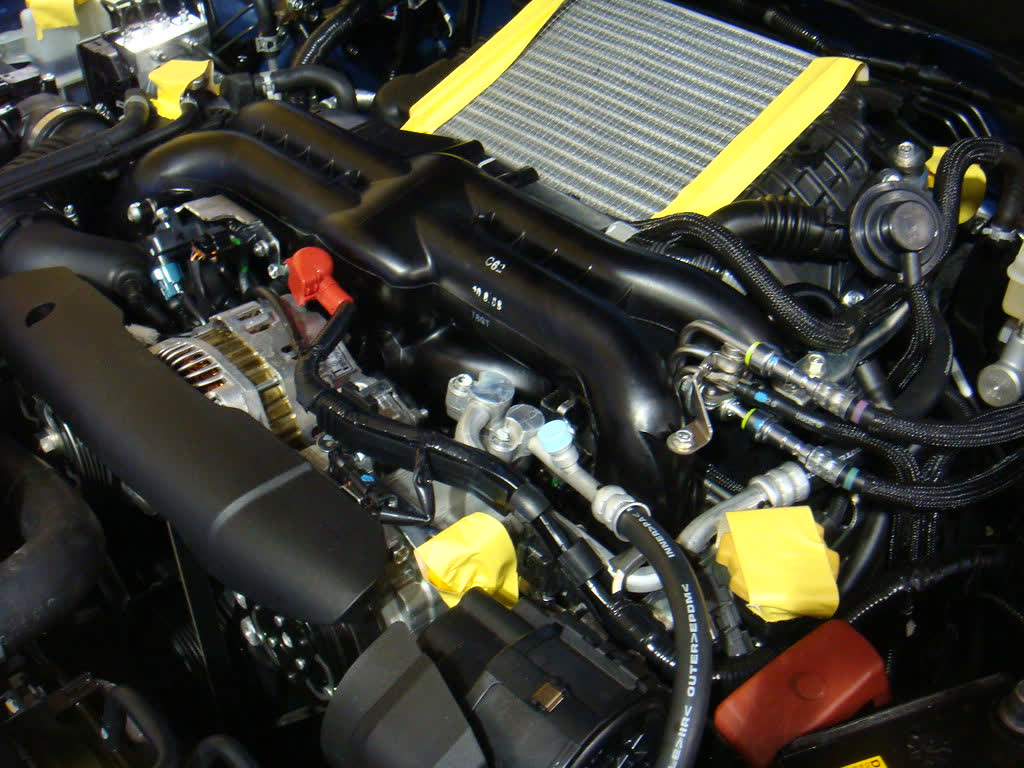
| Figure | WRX (2009-2011, EJ255, 5MT) | Source |
|---|---|---|
| Total annual running cost | ~$4,896/yr | sum of the lines below |
| Fuel | ~$2,286/yr | derived from our fixed assumptions |
| Insurance, full coverage | ~$1,860/yr | MoneyGeek |
| Tires, amortized | ~$250/yr | our estimate |
| Routine service | ~$500/yr | our estimate, higher for all-wheel drive |
| Fuel economy | 21 mpg combined | The Car Connection |
| Octane | 91, premium | The Car Connection |
| Timing belt interval | ~105,000 miles | our estimate |
The Upkeep scores a 6, which is mid-tier, and the shape of the bill is ordinary: $2,286 in fuel on 21 mpg and premium, $1,860 to insure. That insurance figure is 21.2 percent of the car's value per year, which sits between the 128i's 20.8 percent and the NC Miata's 21.6 percent. Nothing alarming.
Two things belong in your arithmetic that are not in the annual figure.
The timing belt is not a risk, it is an appointment. The EJ255 is belt-driven on a roughly 105,000-mile interval, unlike the chain-driven NC Miata. Against a 120,000-mile condition basis that means it is due by definition rather than by luck. Ask for the records. If there are none, price the job in as a certainty, not a maybe.
The service line is set at $500 rather than the $400 we use for the tier's front-drivers, because all-wheel drive means more fluids and more driveline to look after. Both that and the tyre line are our estimates and carry no source.
One honest oddity in the insurance number, and we would rather flag it than smooth it over. The MoneyGeek range spans WRX sub-trims and years without isolating a 2009 to 2011 non-STI figure, which is why we treat it as single-source. It also prices below the base Impreza's average for the same years, which is counterintuitive for a turbocharged performance trim. Get a quote in your own name before you rely on it.
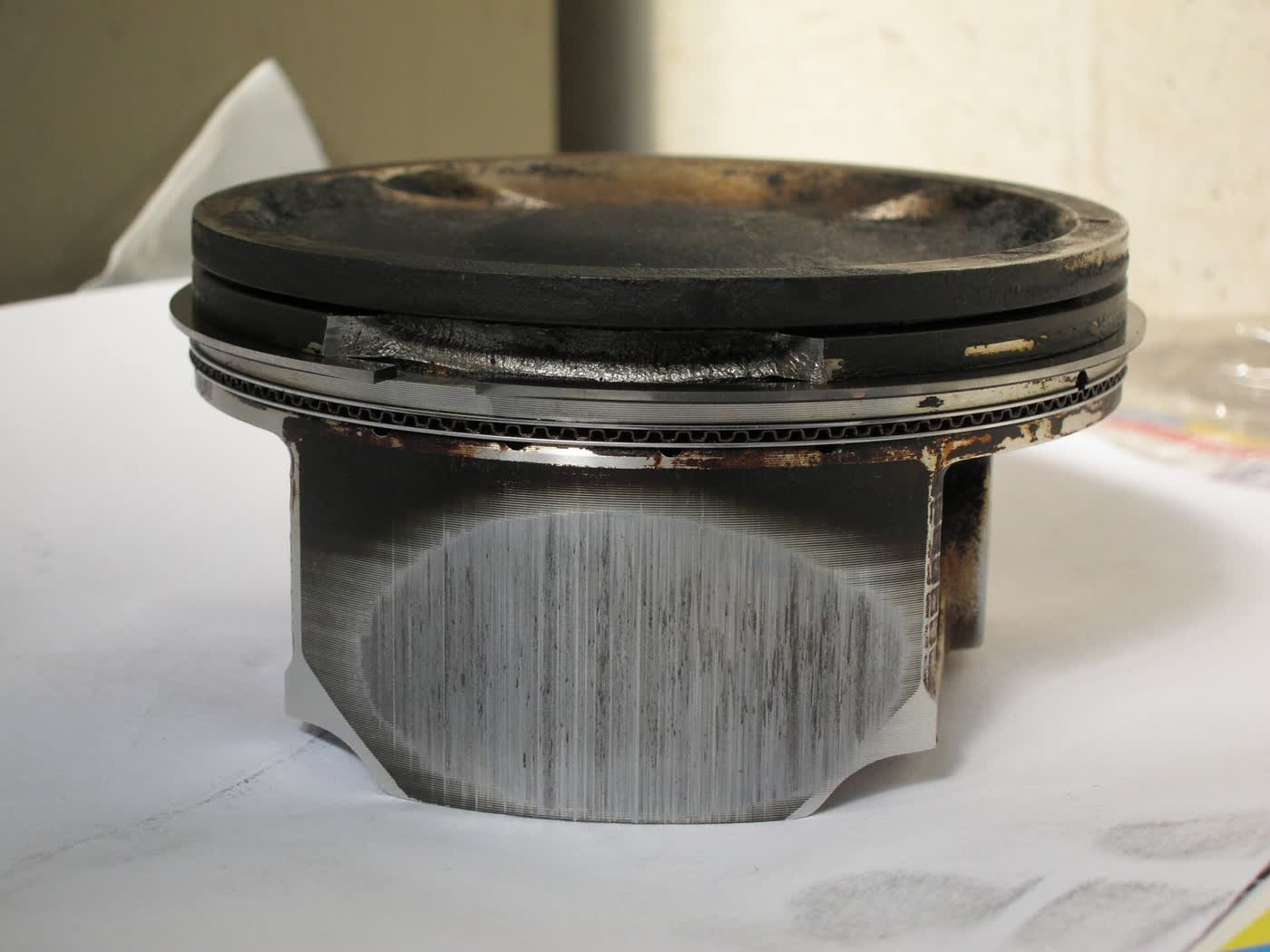
| Figure | WRX (2009-2011, EJ255, 5MT) | Source |
|---|---|---|
| Worst realistic repair | ~$7,000, ringland failure taking the short block | 8020 Automotive |
| Detection | Compression and leakdown, all four cylinders | 8020 Automotive |
| The question that matters | Has it ever been tuned | derived from the sources below |
The Risk scores a 5, and the reasoning matters more than the number.
The failure is ringlands, and the sequence is documented rather than random. Oil control rings fail, oil enters the cylinder, sludge forms, the compression rings stick in the ringland, and the ringland goes. That takes the short block with it, at $4,000 to $7,000 or more. What is worth sitting with is where the sequence starts: with something as mundane as topping up the oil more often than you used to.
That gives this car the same architecture as the Mazdaspeed3, which is worth naming because it changes how you shop for both. A cheap, boring precursor that nobody takes seriously, then an engine-out ending. On the Mazdaspeed3 the precursor is fuel pressure and the tool is a datalog. Here the precursor is oil consumption and the tool is a compression and leakdown test. Same category of problem, different instrument.
Now the part we are least certain about, and we would rather tell you than imply a confidence we do not have. The base rate on a stock engine is not established. Ringland failure is described as more common on modified cars, and we believe that. But every source we could find describing how often it happens is, in effect, a guide to avoiding it while modifying. Nobody has published a clean figure for an untouched car.
That gap is the whole difference between "avoid this car" and "avoid modified ones", and our Risk score reflects the second reading, because that is what the evidence actually supports. If a clean base rate turns up and it is bad, this score comes down.
Which is why the single most valuable fact about any given car here is not its mileage and not its service history. It is whether anyone has ever tuned it. Ask directly, look for the evidence rather than taking the answer, and run compression and leakdown on all four cylinders before money changes hands. Ringland damage does not show up on a visual inspection or a test drive.
| Figure | WRX (2009-2011, EJ255, 5MT) | Source |
|---|---|---|
| Seats / doors | 5 / 4, sedan or Sport Wagon hatch | KBB |
| Drivetrain | All-wheel drive, standard | CarBuzz |
| Cargo | Not captured | no figure sourced |
| Infotainment | No CarPlay | our estimate |
The Daily scores an 8, which is this car's best category, and for a specific kind of buyer it is the reason to stop reading and go shopping.
Five seats, four doors, a hatch option, and symmetrical all-wheel drive as standard. If you live somewhere with real winters, this is not a tiebreaker against the other cars down here. It is the decision. The NC Miata, the 350Z, the G37 and the Mazdaspeed3 are all compromised when the road is covered, and this is not.
It gives up ground to the G37 on material quality, and the cabin is plain in the way that Subarus of this era are plain. What it gives you back is breadth: this will do more different jobs in a week than anything else in this tier, and the Sport Wagon adds usable cargo space on top of that. We did not publish a cargo figure because we could not source one for the scored year range.
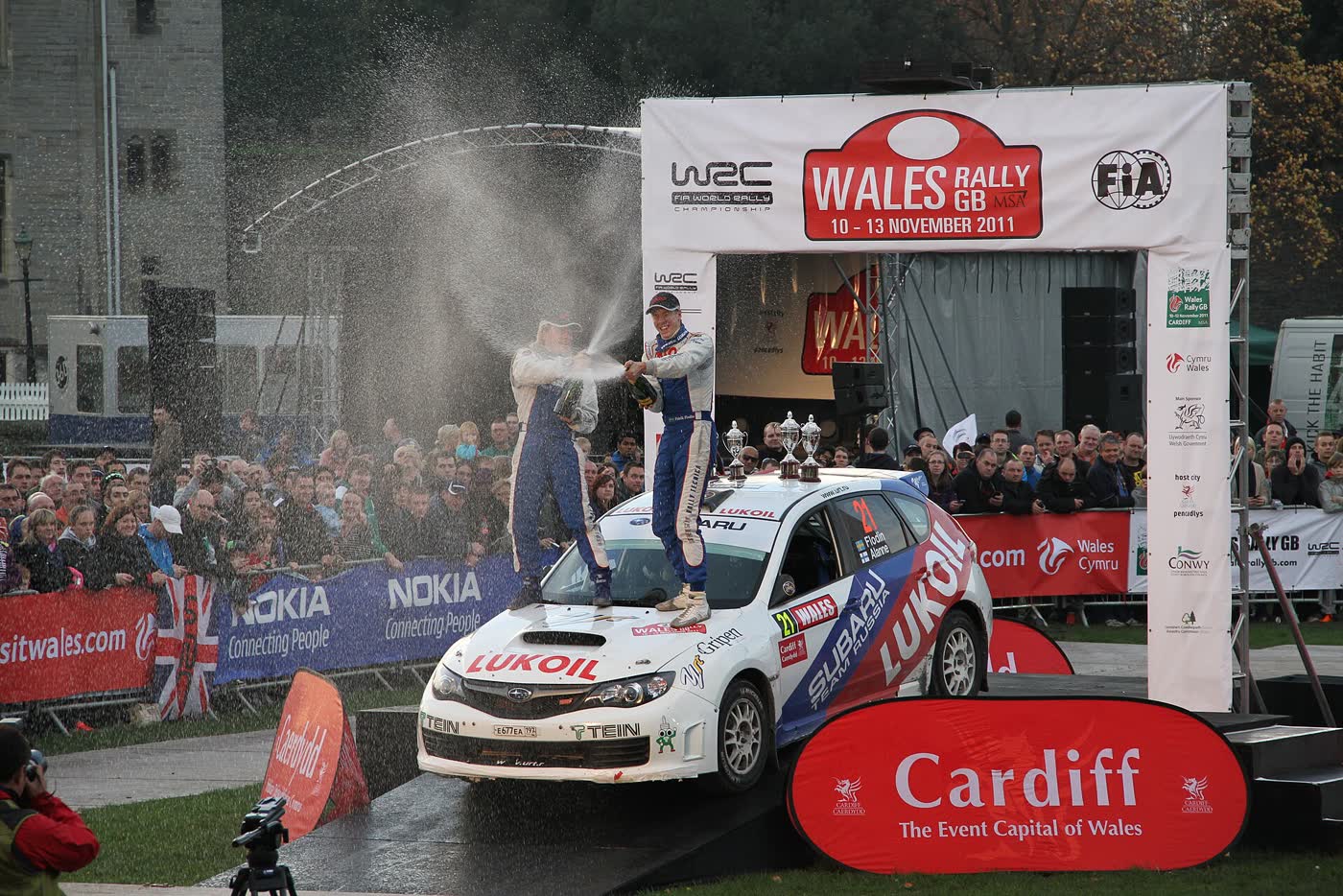
| Figure | WRX (2009-2011, EJ255, 5MT) | Source |
|---|---|---|
| SCCA Solo class | G Street (GS) * | SCCA Classification Assistant |
| Lateral grip | Not captured | no instrumented figure sourced |
| Braking | 118 ft, measured 60-0 | MotorWeek |
The Limit scores a 6, and it is scored on drivetrain and behaviour rather than on figures, because no instrumented grip or braking number for the scored car was found.
The case is the all-wheel drive. It puts power down where the Mazdaspeed3's open front differential cannot, and on a low-grip surface that is worth more than a tenth of lateral g would be. The five-speed and the weight are what keep this at a 6 rather than higher.
The asterisk on the class is doing real work, and this one has some history. Our own research file contradicted itself: the section header said D Street, the table said G Street, and the prose argued for D Street from an Appendix A grouping with no visible running header. The author retracted the D Street reading explicitly, the tier brief agrees on G Street, and that is what we carry. It still needs a manual Appendix A check, so do not enter anything on our say-so.
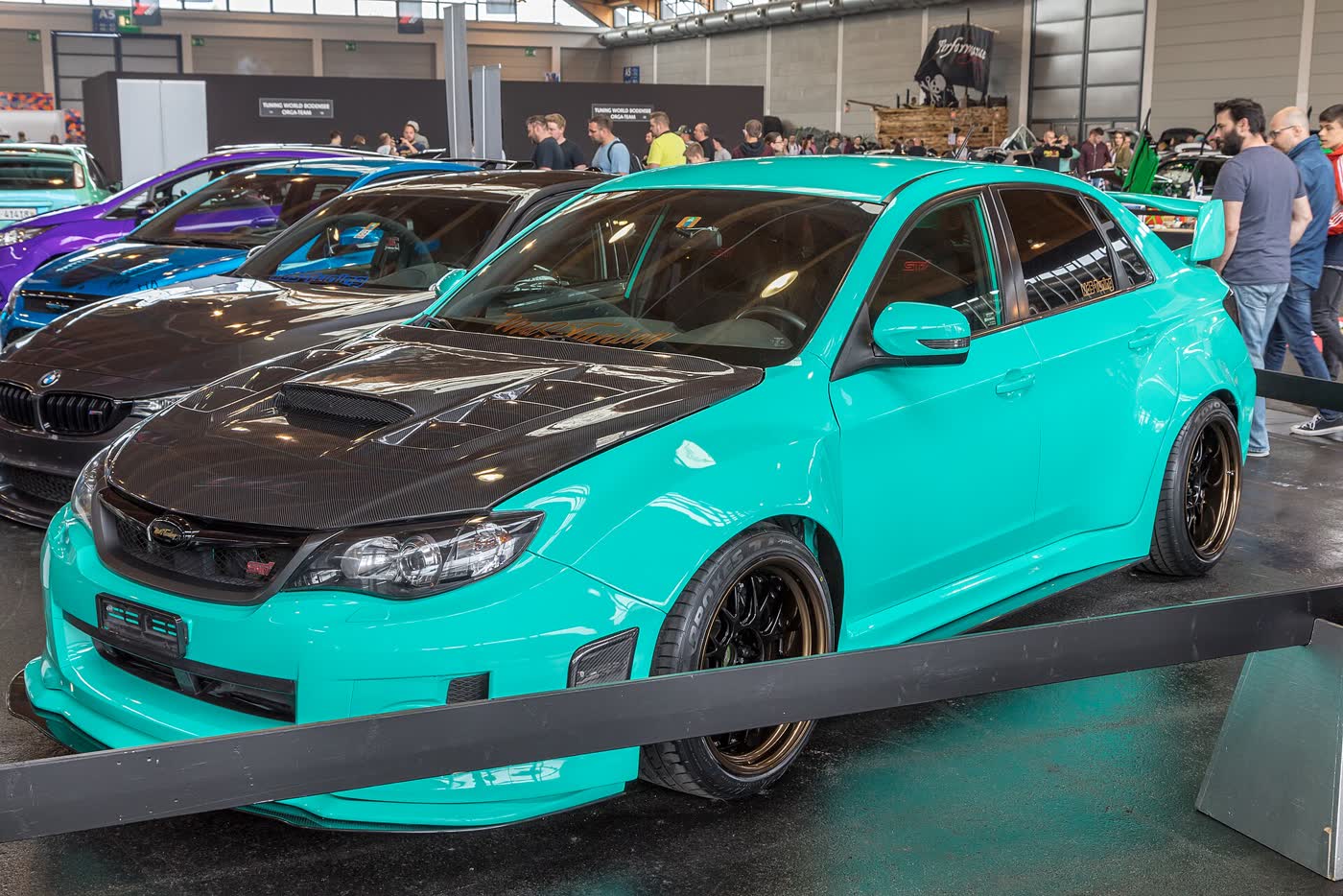
| Figure | WRX (2009-2011, EJ255, 5MT) | Source |
|---|---|---|
| Cost per +100 whp | Not captured | no installed figure sourced |
| Aftermarket | Elite, and cheap | derived from the sources below |
The Mods scores a 6, and this is the most two-faced category on the car.
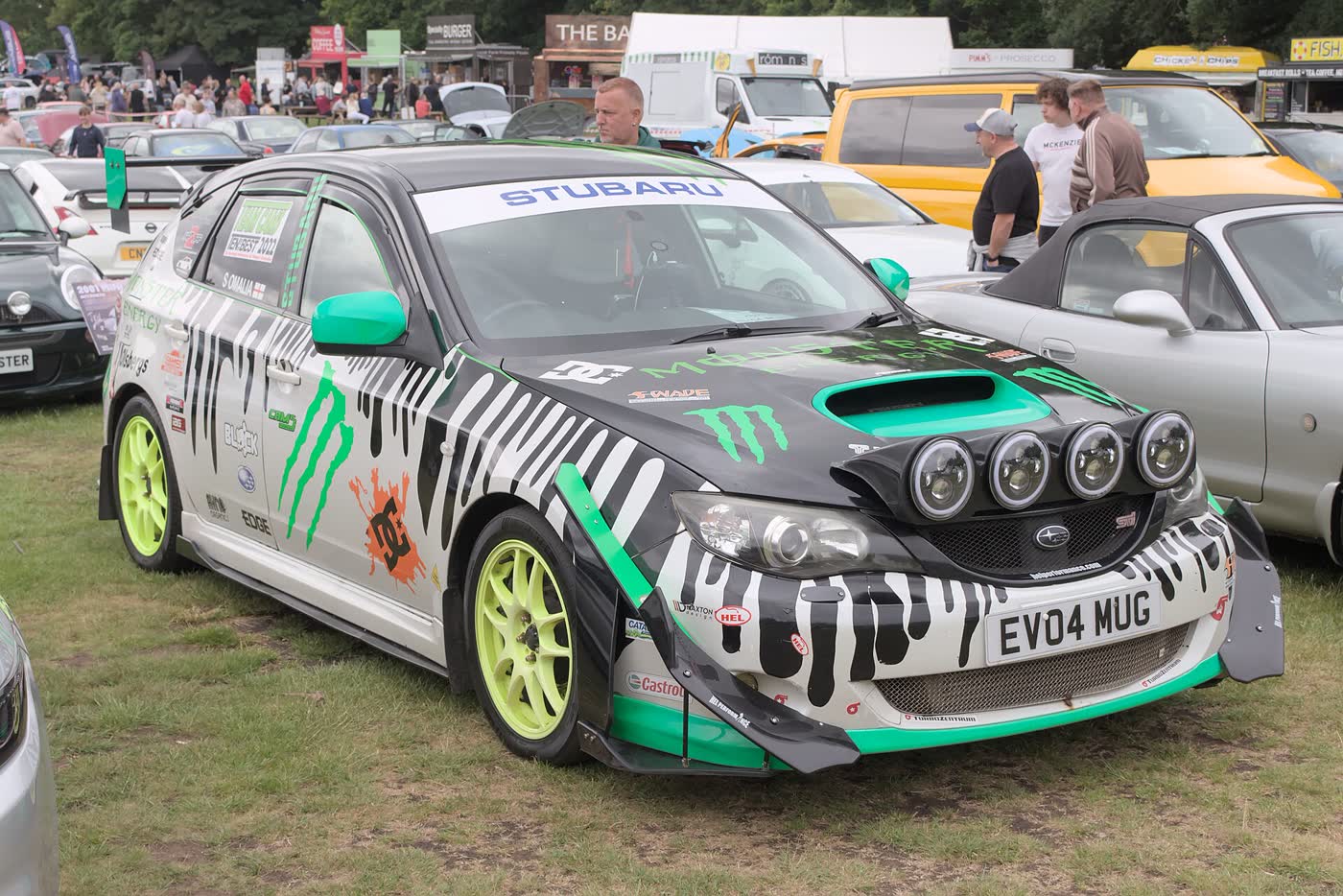
The aftermarket is enormous and the parts are cheap. The ceiling is high. On paper this should score much better than a 6. It does not, because the aftermarket is large precisely because people modify these cars, and modifying them is the main driver of the failure in The Risk. Every route to more power drives exactly the thing that kills the engine.
That is a sharper version of the Mazdaspeed3's answer rather than the same one. On the Mazdaspeed3 you can modify carefully around a known weak point. Here the enthusiasm and the failure are the same activity.
We have not published a cost per 100 wheel horsepower, because no installed price was sourced for a build that includes the supporting work a reliable one needs. The honest framing is that power is cheap on this car and reliability is what you actually pay for.
43 out of 70. Buy the one nobody has tuned, and compression-test it before you pay.
For a snow-state buyer who wants one quick car that does everything, this is a strong answer and the Daily score is why. All-wheel drive as standard, five seats, a hatch if you want it, and 265 horsepower for under nine thousand dollars.
The whole purchase turns on one question, and it is not a question about the model. It is a question about the example in front of you: has anyone tuned it. Ask directly. Then run compression and leakdown on all four cylinders anyway, because the answer you get and the truth are not always the same thing, and ringland damage is invisible until it is not.
Ask for timing belt records too. At 120,000 miles that job is due by the calendar, so if there is no paperwork, it is not a risk to weigh. It is a bill to add.
The skip case is straightforward: if you do not need the traction, this tier has cars that ask less of you. The buy case is the all-wheel drive, and if you live with real winters, no amount of grip from a rear-drive coupe substitutes for it.
We scored the WRX as a 2009 to 2011 car with the EJ255 and the five-speed manual, and it landed at 43 out of 70, with a verdict of Buy the one nobody has tuned, and compression-test it before you pay.
This is a quick, all-weather, five-seat car for under nine thousand dollars, and for a buyer in a snow state that combination answers the question before the other categories get a vote. The catch is not the model, it is the market: most of these have been modified, and modification is what drives the one failure that can cost more than the car.
Eight thousand seven hundred and ninety dollars, for a 2010 WRX Premium sedan in Good condition at 120,000 miles, private party, from Kelley Blue Book. The full condition range runs $7,240 to $9,165.
That is $33.2 per horsepower for 265 horsepower, which sits just above the Mazdaspeed3's $32.6 and comfortably under the Civic Si's $39.4.
The number worth knowing before you start shopping is the other one: the Sport Wagon hatch starts at $5,325 at the bottom of its range. That is a large saving on a car that carries more, and the only reason we scored the sedan is that it is the version most people search for. If you are open on body style, look at the hatch first.
But the real cost of this car is not on the sticker at all. Finding a cheap WRX is easy. Finding one nobody has modified is the work, and it is the difference between the year-one bills below. Budget patience.
Twelve pounds per horsepower, from 265 horsepower and 244 lb-ft in a 3,174 lb car. Those are decent numbers for the money, but the specification sheet undersells this car in one direction and oversells it in another.
It undersells it because of the symmetrical all-wheel drive, which is standard. On a damp road, in a place with weather, this puts power down where the front-drive cars in this tier are lighting up a wheel and the rear-drive ones are being careful with the throttle. The gap in usable pace is wider than the numbers suggest.
It oversells it because of the gearbox. This is a five-speed. The STI got a six, this did not, and at highway speed it is the most-criticised thing about the car. That is a daily irritation rather than a dealbreaker, but you should sit in one on a motorway before you commit.
We publish no 0 to 60 time. The only figure we found was a roughly 5.2 second European-market estimate on a site our own source audit lists as CAPTCHA-blocked and unverifiable. We are not going to launder a number we cannot open, so the page reads Not captured until someone runs an instrumented US test.
Middling, and predictable, which counts for something in this tier.
About $4,896 a year: $2,286 in fuel on 21 mpg combined and premium, $1,860 to insure, and our estimates for tyres and service on top. The insurance works out to 21.2 percent of the car's value a year, which sits between the 128i's 20.8 and the NC Miata's 21.6. Nothing unusual.
One flag on that insurance figure, because we would rather you know: it comes from a MoneyGeek range that spans WRX sub-trims and years without isolating a 2009 to 2011 non-STI car, and it prices below the base Impreza average for the same years, which is odd for a turbocharged trim. Get your own quote.
And add the timing belt. The EJ255 is belt-driven on roughly a 105,000-mile interval. Our whole budget tier prices cars at 120,000 miles, so at our own basis the belt is not a risk you might dodge, it is a job that is already due. If the seller has no records, that is not a maybe on your list. It is a line item.
It depends almost entirely on whether the car has been modified, and the spread is severe.
| Scenario | Year-one cost | As a share of an $8,790 buy-in |
|---|---|---|
| Healthy, stock, records present | ~$1,400 to $2,000 | 16 to 23 percent |
| Typical neglected example, catch-up maintenance | ~$3,200 to $4,000 | 36 to 46 percent |
| Ringlands gone, short block out | ~$6,500 to $10,000 | 74 to 114 percent |
The bottom row is the reason the compression test is not optional. It also puts this car's worst case above what a bad NC Miata or a bad Civic Si can cost you, and roughly in the territory of a bad 350Z.
The top row is entirely achievable. It just requires you to buy the right car rather than the cheap one.
The honest answer is that it depends on a previous owner's decisions more than on the model.
The failure that matters is ringlands, and the sequence is documented rather than mysterious. Oil control rings fail. Oil gets into the cylinder. Sludge forms. The compression rings stick in the ringland. The ringland goes, and takes the short block with it, at $4,000 to $7,000 or more according to 8020 Automotive.
Notice where that starts: with oil consumption, which is the most boring symptom a car can have. Ask any seller how often they top it up, and treat a shrug as information.
The test is compression and leakdown on all four cylinders. This is the classic Subaru pre-purchase check and it is not negotiable here, because ringland damage does not show on a visual inspection or a test drive. It is the same shape of problem the Mazdaspeed3 has, where a cheap boring precursor leads to an engine-out ending, and the only difference is the instrument: that car needs a laptop and a datalog, this one needs a compression tester.
Now the part we cannot tell you, and would rather admit than paper over. We do not know the failure rate on a stock engine. Ringland failure is consistently described as more common on modified cars, and we believe that. But every source we could find describing how often it happens is written for people who are modifying, so nobody has published a clean number for an untouched car. That gap is the difference between "avoid this car" and "avoid modified ones," and our score reflects the second reading because it is what the evidence supports rather than what caution would prefer.
Which brings it back to one question. The single most valuable fact about any given WRX is whether it has ever been tuned. That is worth more than the mileage and more than the service book. Ask it directly, look for evidence rather than accepting the answer, and test the compression regardless.
Yes, and more comfortably than anything else in this budget tier.
Five seats, four doors, a Sport Wagon hatch if you want cargo space, and all-wheel drive as standard. If you live somewhere with winter, this is not a point in its favour, it is the decision. The Miata and the 350Z are two-seat rear-drive cars, the G37 and the Mazdaspeed3 are compromised when the road is covered, and this simply is not.
Where it loses is inside. The cabin is plain, there is no CarPlay, and the G37 will make you feel considerably richer for less money. If material quality is what you notice, that is the trade you are making.
It classes as G Street, according to the SCCA classification assistant, and our Limit score of 6 rests on the drivetrain rather than on figures, because no instrumented grip or braking number for this car was found.
The case is straightforward: all-wheel drive puts power down where the Mazdaspeed3's open front differential cannot, and on a low-grip surface that is worth more than a fraction of a g. What holds it back is the weight and the five-speed.
The class read needs an asterisk, and this one is ours rather than the car's. Our own research file contradicted itself, with a header saying D Street and a table saying G Street. The author withdrew the D Street reading, the tier brief agrees on G Street, and it still wants a manual check against the current Appendix A before you enter anything.
This is the question the whole car turns on, and the answer is uncomfortable.
The aftermarket is excellent. Parts are cheap and plentiful, the ceiling is high, and it is one of the more rewarding platforms to work on. Everything about the modifying experience is good.
And doing it is the main way people destroy these engines. The aftermarket is enormous because people modify these cars, and modification is what drives ringland failure. The two facts are the same fact seen from different angles.
If you already own one and it is stock, the conservative path is real: keep it stock, maintain the oil obsessively, and enjoy a quick all-weather car. If you want a project, understand that you are buying the risk deliberately rather than accidentally, and price a short block into the plan.
We publish no cost per 100 wheel horsepower for this car, because we could not source an installed price for a build including the supporting work a reliable one needs. Power is cheap here. Reliability is the expensive part.
These two are the tier's turbocharged pair, they cost within a few hundred dollars of each other, and they fail in the same shape, so the choice comes down to two things.
The first is traction. The WRX is $8,790 with all-wheel drive; the Mazdaspeed3 is $8,580 with 280 lb-ft going through the front wheels and no limited-slip differential. If your roads are wet or snowy for a meaningful part of the year, that is most of the decision made.
The second is the failure. The Mazdaspeed3's worst realistic repair is $1,600 and the fuel pump behind it is findable with a datalog. The WRX's is $7,000 and needs a compression test. The Mazdaspeed3 has the cheaper bad day; the WRX has the better car underneath it.
If you need the traction, buy the WRX and be relentless about tune history. If you do not, the Mazdaspeed3 asks less of you.
Buy the one nobody has tuned, and compression-test it before you pay. Forty-five out of seventy.
This is a good car with a shopping problem. The Daily score of 8 is the honest headline: five seats, all-weather traction, real pace, under nine thousand dollars. Very little else at this money will do as many different jobs in a week.
What you are buying, though, is a specific example rather than a model, and two things decide whether you got a good one. Has anyone tuned it, which decides the ringland risk, and when was the timing belt done, which at our 120,000-mile basis is already overdue by the book.
Get compression and leakdown on all four cylinders before you hand over money. If the seller will not allow it, that is your answer.
Filming reference: cue sheet · for the hosts on set, not part of the review.
The frame that closes our video: the WRX at 43/70, with the Golf GTI and the Mazdaspeed3 alongside.