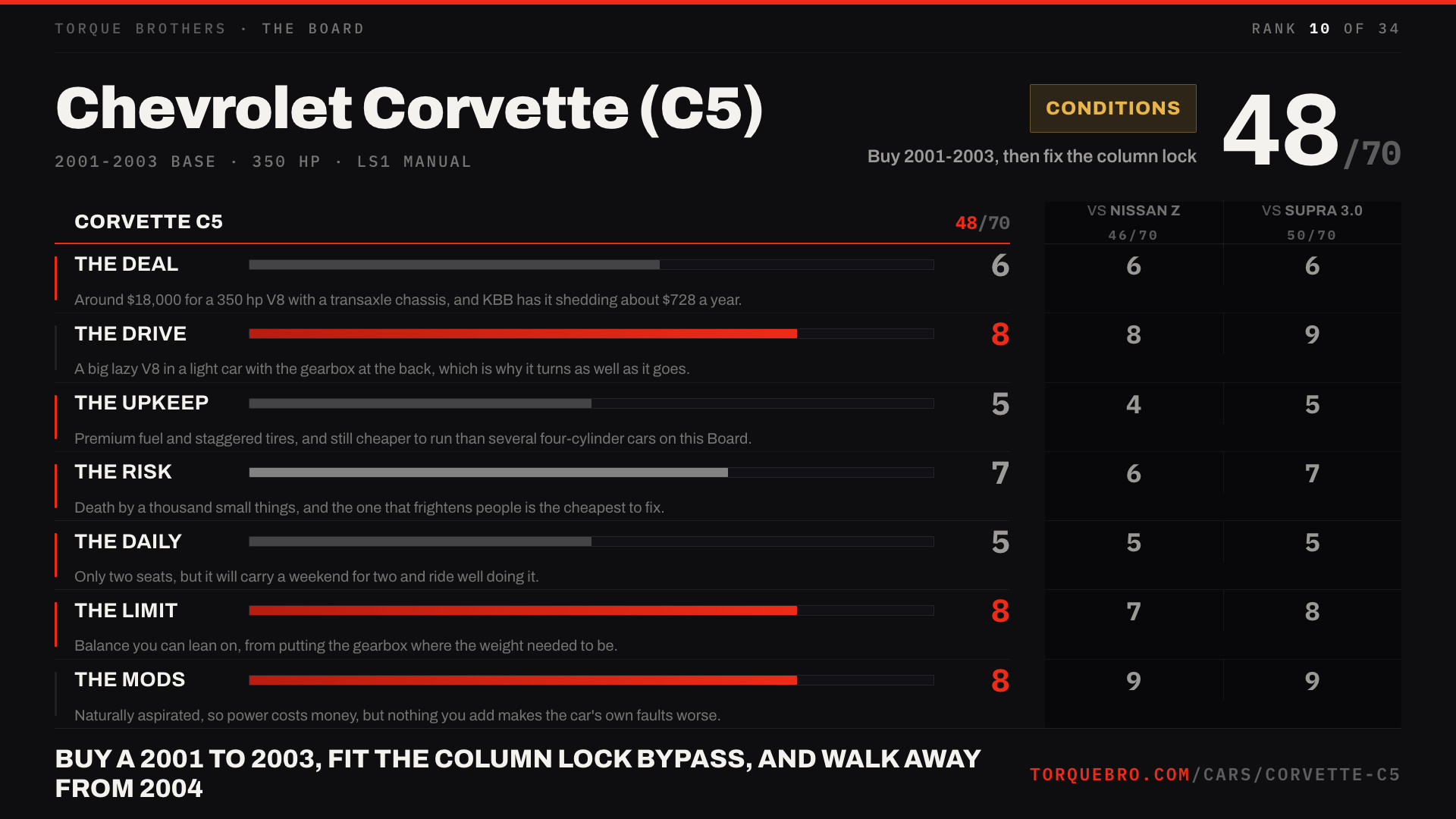
2001-2003 · Base coupe · 5.7 LS1 · Six-speed manual
Buy a 2001 to 2003 and fit the column lock bypass the week it arrives. The recall did not fix that for you if the car has a clutch pedal.
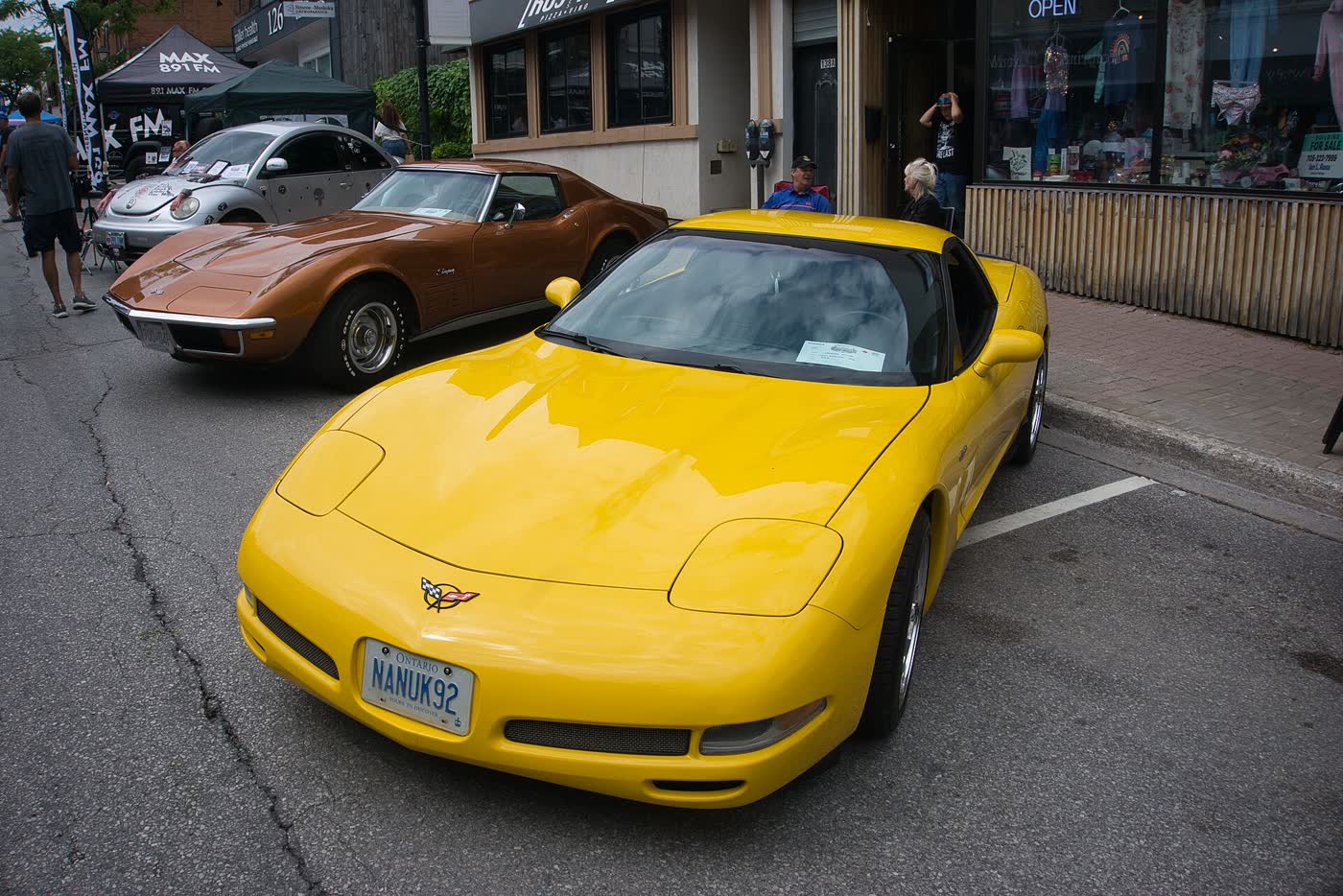
This car is for someone who wants a V8 and a chassis that turns for the money a used hot hatch costs, and who will spend fifty dollars and an hour on the one failure this generation is known for.
All money figures use a fixed set of assumptions so they can be compared to other cars we cover: 12,000 miles a year, insurance for a 40-year-old with a clean record on full coverage, and fuel at the octane the car is rated on. Read the note under The Deal about mileage first, because these cars cover about 2,581 miles a year rather than 12,000.
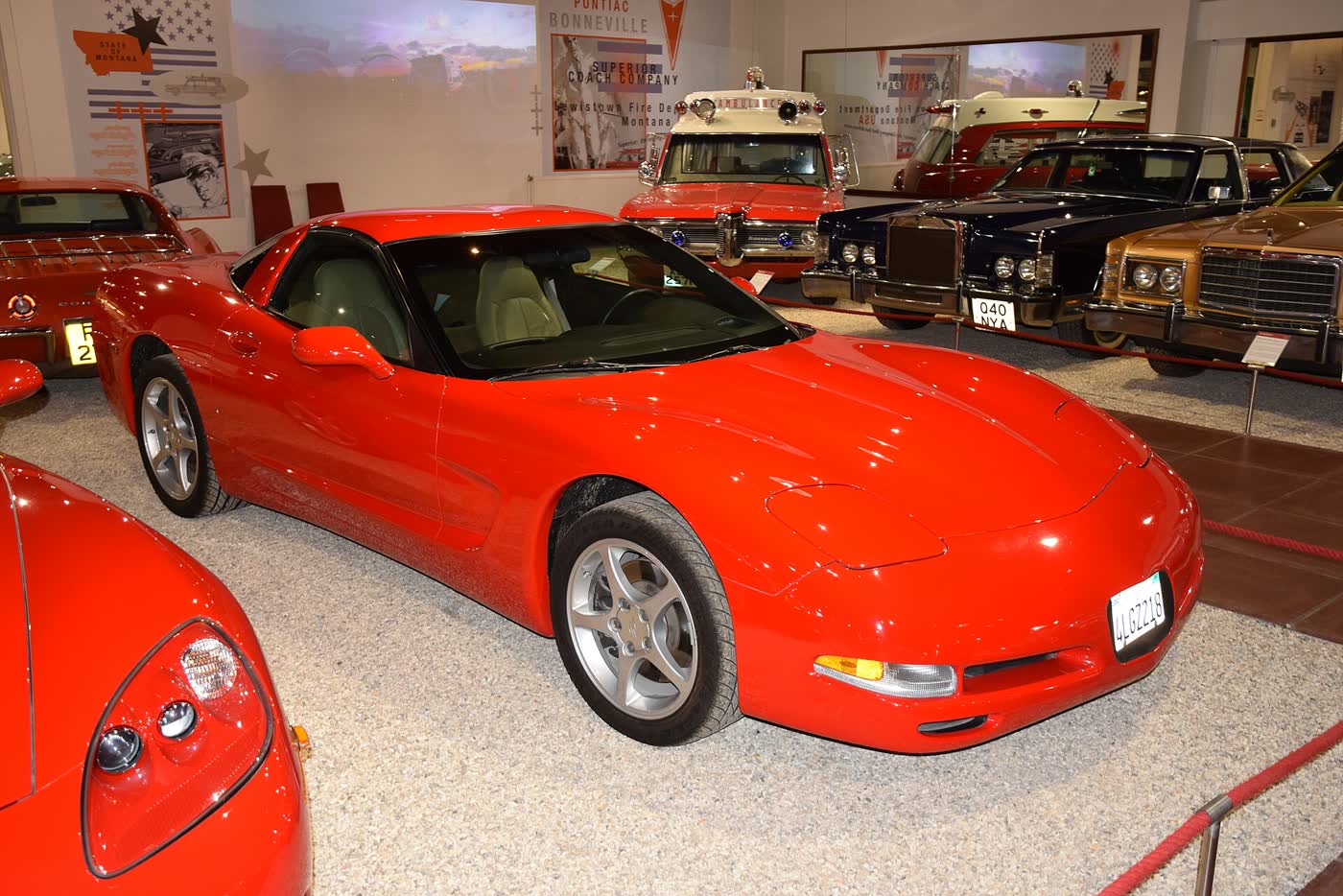
| Figure | Corvette C5 (2001-2003, 5.7 LS1, 6MT) | Source |
|---|---|---|
| Used buy-in, private party | $17,980, Good condition | KBB |
| Full condition range | $16,380 to $19,180 | KBB |
| Live asking median | $20,997 across 19 listings, $13,299 to $29,999 | Cars.com |
| Asking against book | 1.17x | derived: $20,997 divided by $17,980 |
| Median listed mileage | 61,959 miles, about 2,581 a year | Cars.com |
| Dollars per horsepower | $51.4/hp | derived: $17,980 divided by 350 hp |
| Resale value, 2023 to 2025 | $15,591, $14,781 and $14,354 for a 2003 base coupe | KBB value history |
| What you lose | About $728 a year, 4.0% a year | derived: $17,980 at the 2023-2025 rate of change in the row above |
| Against the going rate | $17,980 against about $20,548 for 9.3 lb per hp (0.88x) | derived: what our Board's cars pay for that power-to-weight, explained on How We Score |
~ our estimate, not a measured or quoted figure. Why we mark figures
Around $17,980 in the book and about $20,997 asking, and that gap is the ordinary dealer margin rather than anything strange. What is strange is the spread underneath it: listings run from $13,299 on a car with 117,058 miles up to $29,999.
Mileage explains less of that than you would expect. Under 50,000 miles the asking median is $22,289; at 70,000 and above it is $16,448, which is a 1.36x premium. On a Mustang of the same money the equivalent premium is half again as large. What you are paying for here is history, not odometer.
One number to keep in your head while you shop: the median listed car has 61,959 miles on a chassis that is twenty-four years old. That is about 2,581 miles a year. These have been weekend cars their whole lives, and a car with 120,000 miles on it has a story you want to hear before you buy.
Two figures decide the Deal score. What you would lose: KBB's value for a 2003 coupe went from $15,591 in 2023 to $14,354 in 2025, about $728 a year at this price. What you get: $17,980 buys 9.3 lb per hp, against about $20,548 for what that power-to-weight usually costs across our Board. Close to the going rate, and still shedding money while you own it.
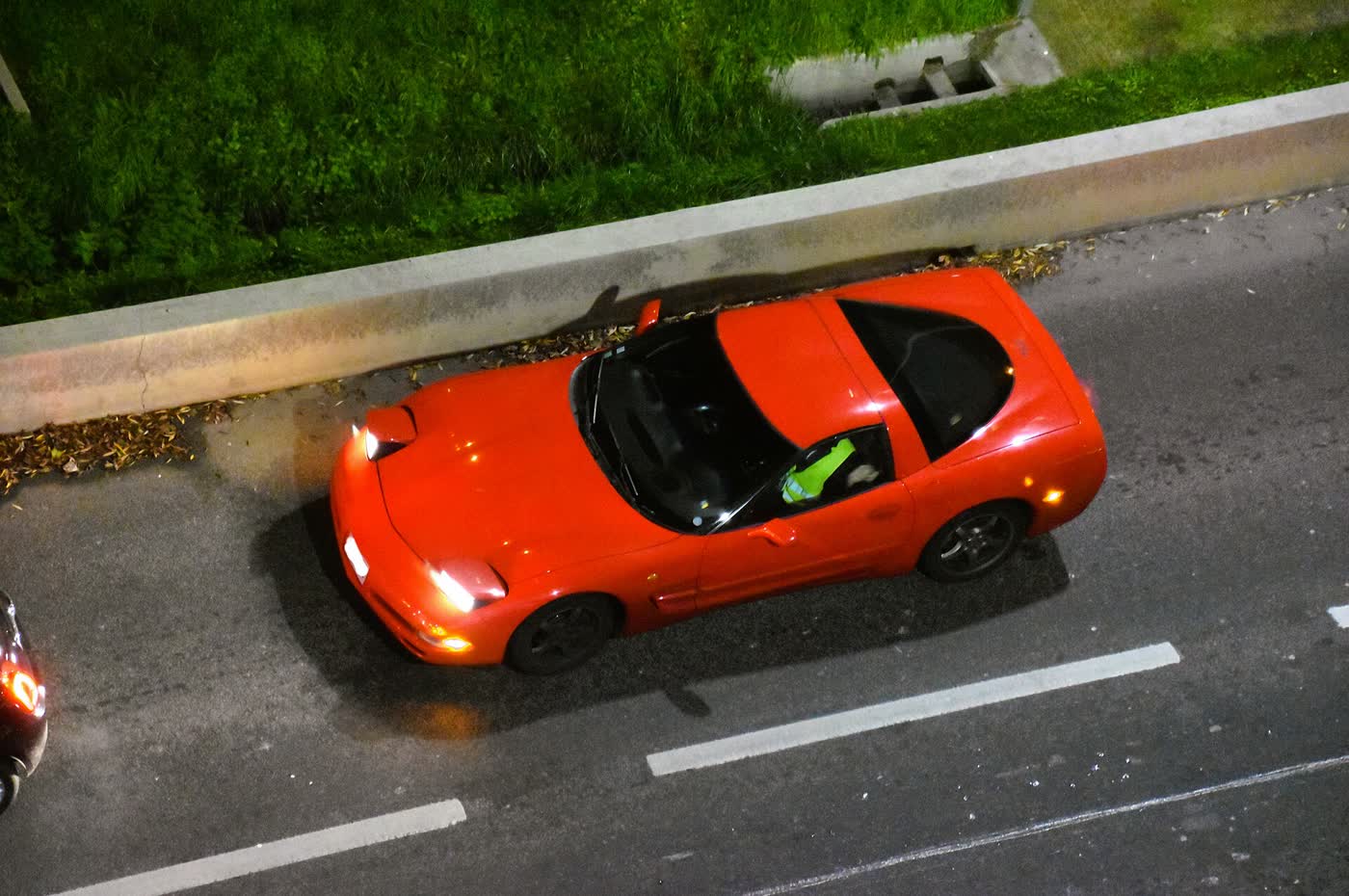
| Figure | Corvette C5 (2001-2003, 5.7 LS1, 6MT) | Source |
|---|---|---|
| Power-to-weight | 9.3 lb per hp | derived: 3,246 lb divided by 350 hp |
| Power | 350 hp at 5,200 rpm. 2001 raised it from 345. | 2003 factory specs |
| Torque | 375 lb-ft at 4,000 rpm with the manual. The automatic makes 360. | 2003 factory specs |
| Curb weight | 3,246 lb, coupe | 2003 factory specs |
| 0-60 mph | About 4.5 seconds, manual coupe | AutoGuide |
| Layout | Front engine, rear transaxle, near 50/50, wishbones all round | 2003 factory specs |
Three hundred and fifty horsepower and 375 lb-ft in 3,246 lb, which is 9.3 lb per hp. Those are good numbers for the money, but they are not why this car drives the way it does.
The reason is where the gearbox is. The C5 puts its transmission at the back, in a torque tube with the differential, which gets the weight distribution close to even and makes the car turn in a way a front-engined V8 has no business doing. Double wishbones at all four corners do the rest.
One thing to check when you are reading numbers about this car: torque is 375 lb-ft with the six-speed and 360 with the automatic, because they are different calibrations. Quoting one for the other is an easy mistake and it is the difference between the car we scored and a different one.
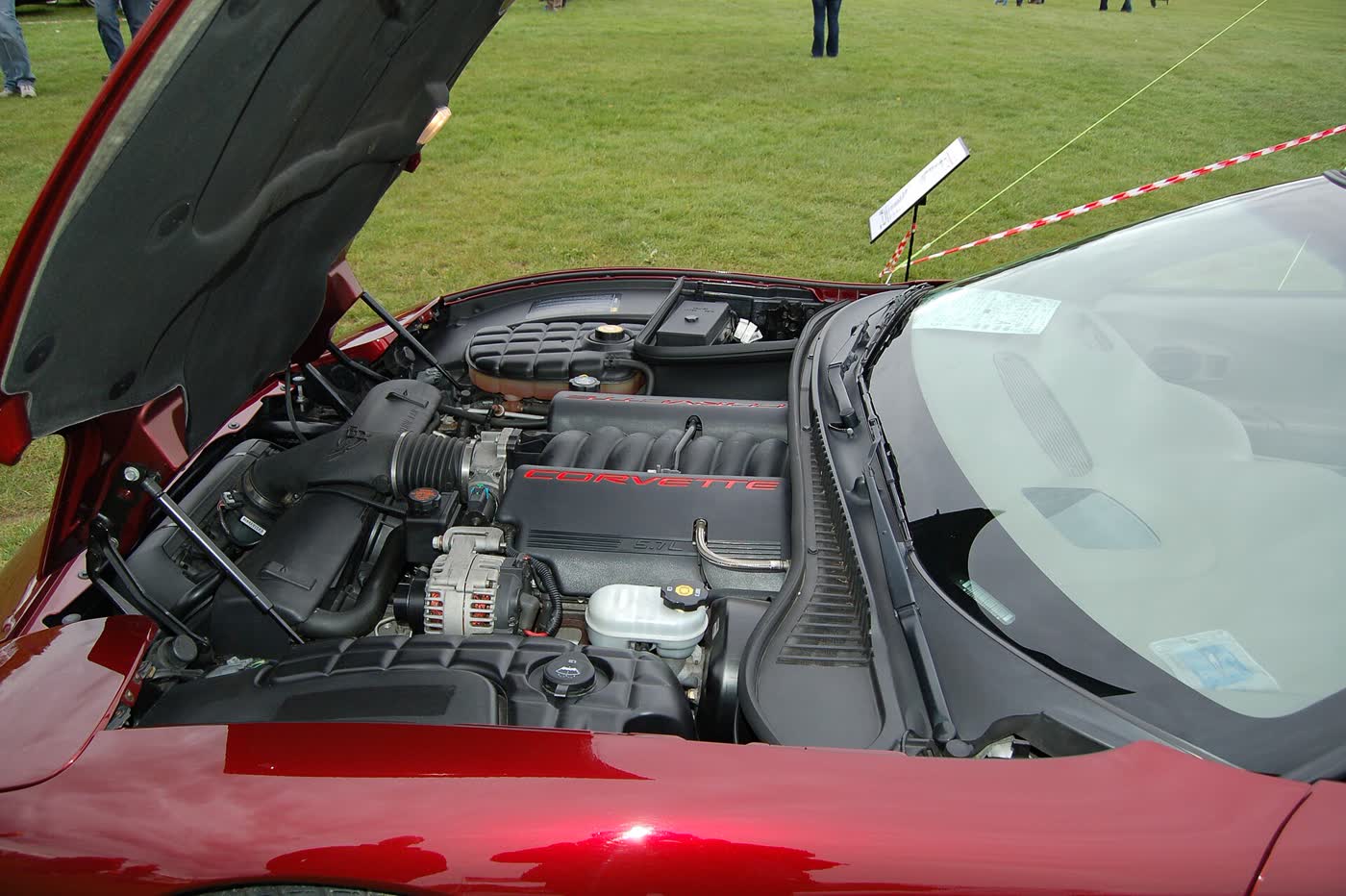
| Figure | Corvette C5 (2001-2003, 5.7 LS1, 6MT) | Source |
|---|---|---|
| Annual running cost | $5,318 | derived: fuel $2,400 plus insurance $1,948 plus tires $470 plus service $500 |
| EPA combined | 20 mpg on premium with the manual. The automatic returns 19. | fueleconomy.gov |
| Fuel | $2,400 a year | derived: 12,000 miles at 20 mpg, 91 octane at $4.00 |
| Insurance | $1,948 a year, 2001-2003 average | MoneyGeek |
| Tires | Staggered 245/45ZR17 front, 275/40ZR18 rear, so they cannot be rotated | 2003 factory specs |
| Tire set | About $940 a set, roughly $470 a year | SimpleTire |
About $5,318 a year, and premium fuel is what sets it. The LS1 is rated on 91 octane, so the fuel line runs about $2,400 a year at 20 mpg combined.
There is a small surprise in the EPA numbers. The six-speed manual returns 20 mpg combined and the four-speed automatic returns 19, so the manual is the efficient one. That is the reverse of the Mustang GT, where the automatic wins, which is a good reason to read the EPA row for the gearbox in front of you rather than carrying a rule between cars.
The tires are staggered, 245/45ZR17 at the front and 275/40ZR18 at the rear, so they cannot be rotated and each axle wears at its own rate. Budget about $940 a set. Insurance at $1,948 is 10.8 percent of the car's value a year, which is the point where full coverage still makes sense rather than being a waste.
| Figure | Corvette C5 (2001-2003, 5.7 LS1, 6MT) | Source |
|---|---|---|
| Column lock failure | Immobilises the car. Recall 04V060000 removes the lock on AUTOMATICS only; on manuals the column keeps locking. | NHTSA |
| Column lock cure | $45 to $50 bypass module, about an hour, no permanent change to the car | Zip Corvette |
| Fuel tank crossover leak | $1,768 to $2,000+. 2004 and late 2003 only; NHTSA PE10-015 closed with no recall. | Autoblog on PE10-015 |
| Steering complaints | 69, 50 and 18 across 2001, 2002 and 2003 | NHTSA |
| Total complaints | 207, 170 and 112 across 2001, 2002 and 2003 | NHTSA |
| Clutch replacement | $1,511 to $2,042 | RepairPal |
| Torque tube rebuild | $1,800 to $2,800 with labour, once the rubber couplers tear | AutoGuide |
| EBCM (ABS module) | $150 to $250 to rebuild a 2001-2004 unit | AutoGuide |
| Harmonic balancer | $400 to $700 as the rubber isolator ages | AutoGuide |
The story everyone has heard is the electronic column lock. It can fail to release, and the car is designed to cut fuel at 2 mph when that happens, so it strands itself. There is a recall, 04V060000, covering 1997 to 2004.
Read the remedy rather than the headline, because it is different depending on what you are buying. On an automatic, the dealer removes the column lock plate and the problem is gone permanently. On a manual, NHTSA's own text says the column will continue to lock when the key is removed. The recall never permanently fixed the car we are scoring, which is why complaints kept arriving from owners whose recall had been done.
The fix is a $45 to $50 bypass module that fits in the passenger footwell in about an hour and makes no permanent change to the car. Fit it the week you buy the car rather than the week it strands you, because the kits are preventative and a column that has already locked is a harder job. After that you are left with a harmonic balancer, fuel level senders, a battery that vents acid onto the wiring loom, and a targa seal: all cheap, all findable, none of them able to end the car.
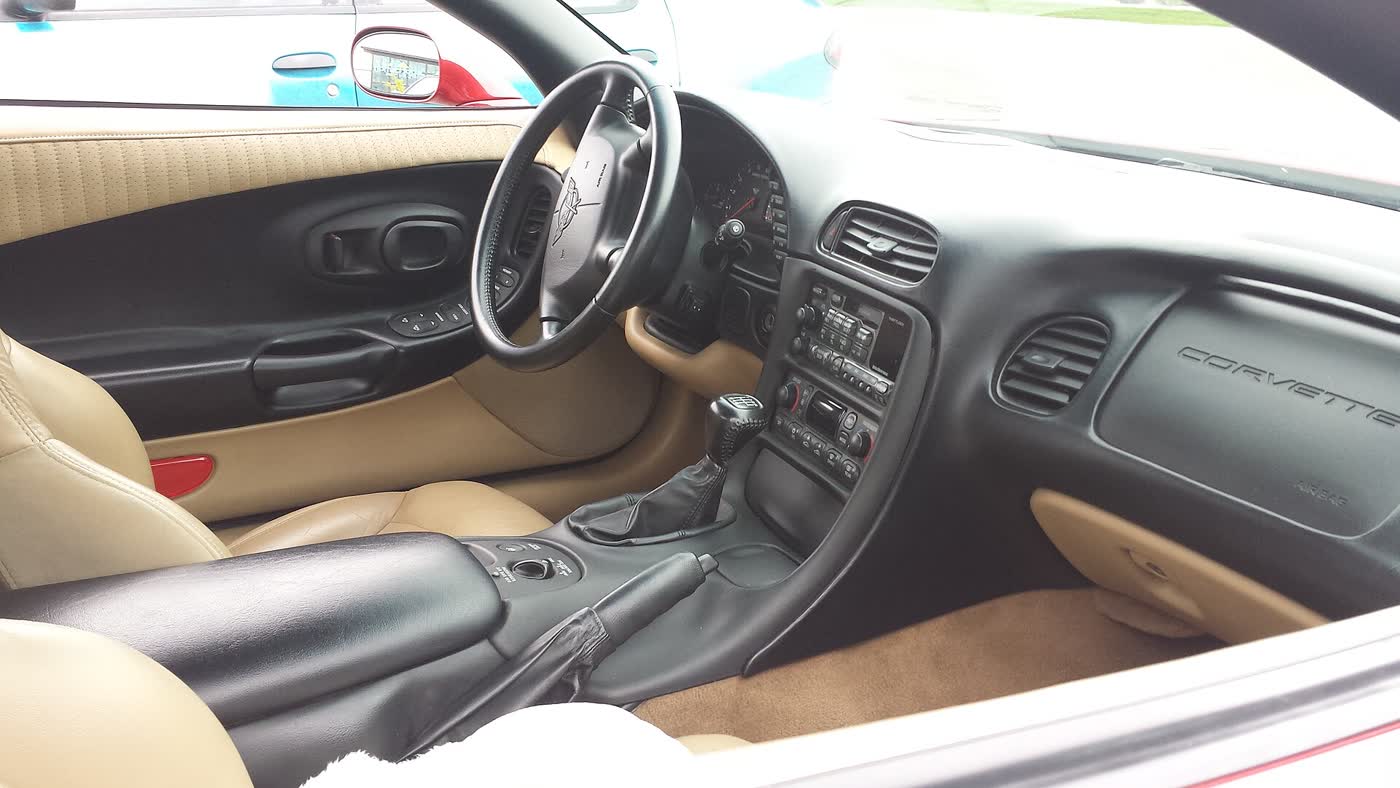
| Figure | Corvette C5 (2001-2003, 5.7 LS1, 6MT) | Source |
|---|---|---|
| Cargo volume | 24.8 cu ft under the hatch | 2003 factory specs |
| Seats and doors | 2 seats, 2 doors, targa top | 2003 factory specs |
| Infotainment | No Bluetooth, no CarPlay. Head unit retrofit about $300 to $500. | AutoGuide |
Two seats, which caps this category at 5 no matter what else is true. What makes it earn the cap rather than fall below it is the hatch: 24.8 cu ft, which is more space than a lot of four-door cars carry, and the targa panel stows inside it.
The ride is set up for covering distance rather than for a circuit, so it is comfortable on a long drive, and that is the half of livability the cargo figure does not capture.
Against that, the interior was criticised for hard plastics when the car was new and time has not improved it, and there is no Bluetooth or CarPlay anywhere in the range. A head unit retrofit runs about $300 to $500 and is one of the first things most owners do.
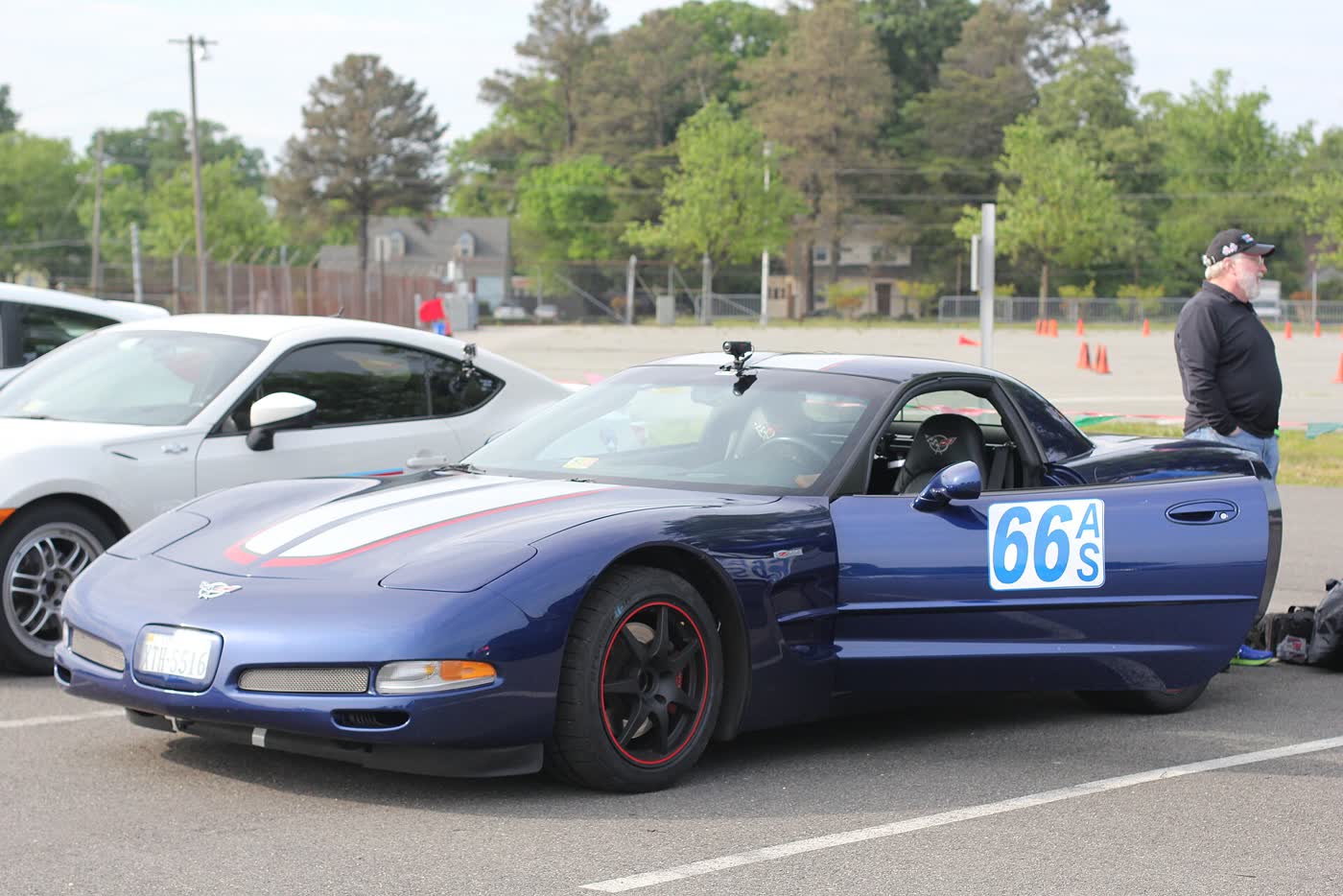
| Figure | Corvette C5 (2001-2003, 5.7 LS1, 6MT) | Source |
|---|---|---|
| SCCA Solo class | B Street, listed as “Corvette (C5, non-Z06) (1997-2004)” | 2026 SCCA Solo Rules |
| Factory tires | 245/45ZR17 front, 275/40ZR18 rear | 2003 factory specs |
| Differential | Limited-slip standard | 2003 factory specs |
| Lateral grip | Not captured. Period figures were set on tires no longer sold. | see class |
B Street under the 2026 SCCA Solo rules, which is a faster class than anything else we have scored, and the car earns it on balance rather than on grip.
The transaxle layout that makes it turn on the road is the same thing that makes it predictable at the edge, and a limited-slip differential is standard rather than an option you have to hunt for. It is a car you can lean on.
We have not published a grip figure. Period numbers for the C5 were set on tires that are no longer sold, and quoting one as though it described what you would buy today would be misleading.
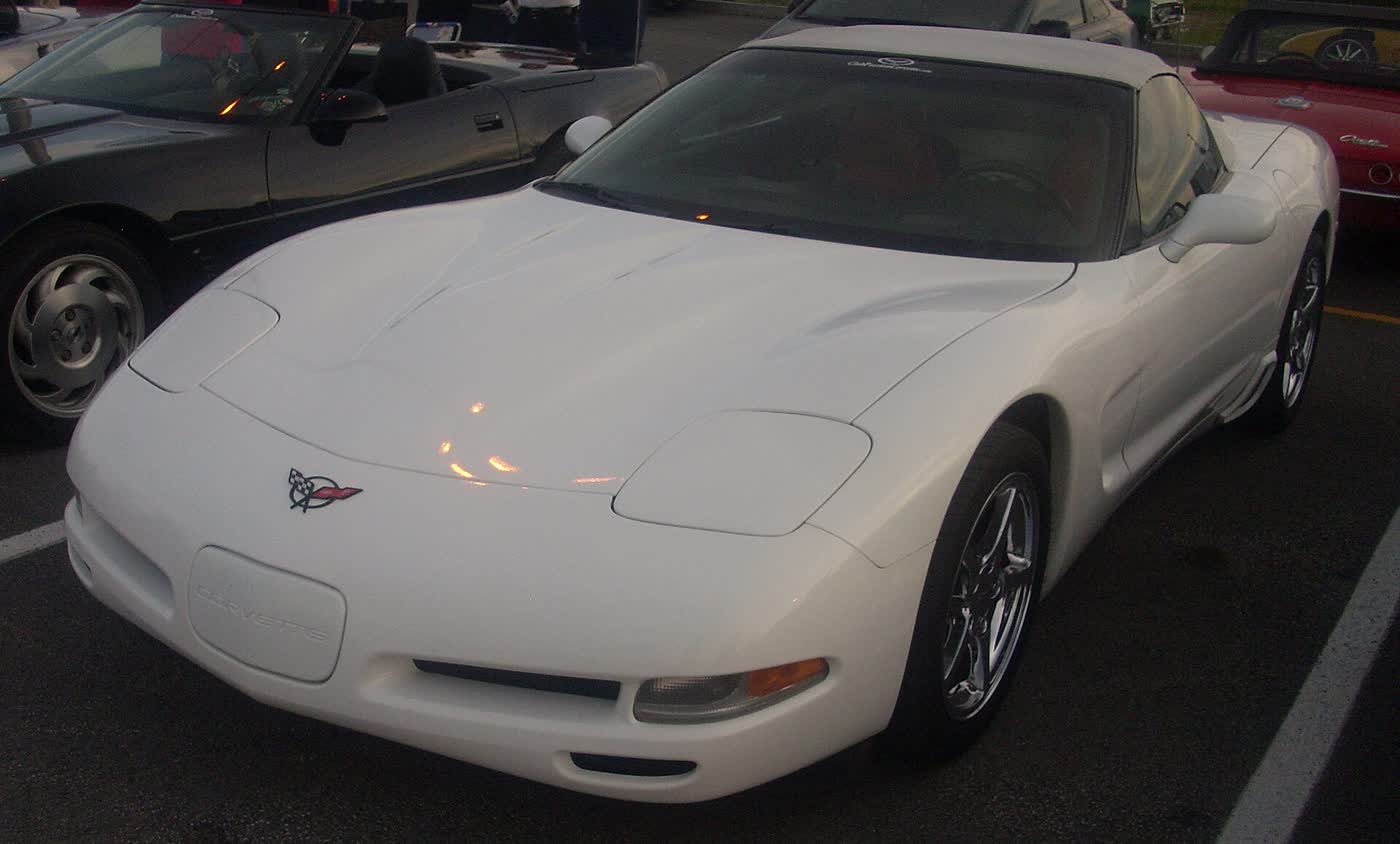
| Path | Cost | Risk |
|---|---|---|
| Bolt-ons (headers, intake, exhaust, tune) | ~$3,500 | Low |
| Suspension and wheels | ~$1,500 to $3,500 | Low |
| Heads and cam package | ~$8,000 to $15,000 | Low to moderate |
| Supercharger | ~$7,000 to $9,000 | Moderate |
| Big power on a built block | $15,000+ | High |
The LS1 shares its parts with the Camaro, the Firebird and the entire LS swap world, so the aftermarket is deep and the prices are sane. Headers, an intake, an exhaust and a tune run about $3,500 installed and are worth about 40 wheel horsepower, which works out near $8,750 per 100 whp.
A tune on its own runs $275 to $450 and will not do much, because there is no boost for it to find. If you want a lot more than that, a heads and cam package is $8,000 to $15,000 installed for another 75 to 90 whp, and the bottom end will take forced induction beyond that.
The part worth saying plainly: modifying this car does not make its known faults worse. The column lock, the senders, the battery tray and the weatherstrip have nothing to do with how much power the engine makes. The one exception is the harmonic balancer, and any camshaft job should be replacing that anyway.
Buy a 2001 to 2003, and fit the column lock bypass the week it arrives. That one $50 part removes the failure this generation is famous for, permanently, and the recall will not have done it for you if the car has three pedals.
Avoid 2004. Late 2003 and 2004 cars changed the fuel crossover tube from rubber to metal, the o-rings pinch on installation and the tank cracks at the connector. NHTSA investigated roughly 33,000 cars and closed it without ordering a recall, and the goodwill warranty GM offered instead ran out around 2014. Check the build date rather than the model year, because the change starts inside the 2003 run.
This car is for you if you want a 350 hp V8 and a chassis that turns, and two seats is not a problem. It is not for you if you need back seats, if you want Bluetooth without buying a head unit, or if the car in front of you is a 2004 and the seller cannot tell you anything about the fuel tank.
So you want a V8 for hot-hatch money. Here is the short version before we get into it: a 2001 to 2003 C5 puts a 350 hp V8 and a transaxle chassis in your driveway for about eighteen thousand dollars, and the failure everybody warns you about costs fifty dollars to remove permanently. The catch is a model year, and it is 2004.
We scored this as a 2001 to 2003 base coupe with the 5.7 LS1 and the six-speed manual. By the end you will understand why every part of that sentence is there.
A 2001 to 2003 base coupe books at $17,980 in Good condition private party, and the asking median across the listings we pulled was $20,997. That is about 1.17 times book, which is the normal dealer-margin gap rather than a warning sign.
The spread is the interesting part. Cars are advertised from $13,299, on an example with 117,058 miles, up to $29,999. Under 50,000 miles the median ask is $22,289; at 70,000 and over it is $16,448. That 1.36x mileage premium is smaller than you would see on a Mustang GT of similar money, and the reason matters: on this car the condition and the history move the price more than the odometer does.
Something to bear in mind before you read the running costs below. The median listed C5 has 61,959 miles on a car twenty-four years old, which is about 2,581 miles a year. We cost every car on this Board at 12,000 miles a year so the figures can be compared, but almost nobody uses one of these that hard.
The LS1 makes 350 horsepower at 5,200 rpm and 375 lb-ft at 4,000 with the six-speed, in a car weighing 3,246 lb. That is 9.3 lb per hp and about 4.5 seconds to 60.
What makes it worth driving is not the power, though. Chevrolet put the gearbox at the back of the car, bolted to the differential in a torque tube, which gets the weight close to evenly split and gives the car a way of changing direction that a front-engined V8 normally cannot manage. There are double wishbones at every corner. It feels lighter than it is.
One caution when you are comparing figures. The manual is rated at 375 lb-ft and the automatic at 360, so a torque number quoted without naming the gearbox is describing one car or the other and you cannot tell which.
About $5,318 a year on our standard assumptions. The LS1 wants 91 octane, so fuel is the biggest line at roughly $2,400 a year on 20 mpg combined.
The EPA figures hold a small surprise: the six-speed manual returns 20 mpg combined and the four-speed automatic 19. The manual is the efficient one, thanks to a very tall sixth gear. That is the opposite of how the Mustang GT splits, which is a useful reminder to read the row for the gearbox you are actually buying.
Tires are staggered, 245/45ZR17 front and 275/40ZR18 rear, so they cannot be rotated. A set runs about $940. Insurance came to $1,948 a year on our standard profile, which is 10.8 percent of the car's value annually and low enough that carrying full coverage still makes sense.
This is the failure the C5 is known for, and it is worth understanding properly because most of what is written about it is half right. The electronic column lock can fail to release. The car is designed so that if the steering stays locked, the fuel supply cuts at 2 mph, so rather than letting you drive an unsteerable car it strands you where you are.
There is a recall: 04V060000, covering 1997 to 2004, more than 100,000 cars. Here is the part that gets missed. The remedy is different depending on the transmission. On automatics, the dealer removes the column lock plate and the lock is gone for good. On manuals, the dealer reprograms the powertrain module and checks the plate, and NHTSA's own remedy text states that the steering column on those vehicles will continue to lock when the key is removed.
So on a manual C5 the recall was never the permanent fix, which is why owners whose recall had been performed kept filing complaints. The bypass vendors describe the same population: all 1997 to 2004 manual cars remain exposed.
The practical answer is a bypass module that costs $45 to $50 and takes about an hour to fit in the passenger footwell. It makes no permanent modification and does not undo the recall work. Fit it before the car strands you rather than after, because these kits are preventative and a column that has already locked is a harder job to sort out.
Avoid 2004, and check the build date on a 2003. The C5 carries two saddle fuel tanks joined by a crossover tube, and for late 2003 and 2004 the design changed from a rubber crossover to a metal one. The o-rings at the connector pinch during installation, and the tank cracks at the connector or the seals let go. Fuel pools under the car.
NHTSA opened investigation PE10-015 into roughly 33,000 of these cars. It closed without a recall. GM offered a special warranty extension on the tank quick-connectors instead, to 10 years or 100,000 miles, which on a 2004 car expired around 2014. The repair runs $1,768 to $2,000 or more.
The complaint file makes the pattern obvious: 10 fuel-system complaints against a 2003 and 140 against a 2004. That is the newest car in the generation with the worst record, which is the opposite of how complaint counts normally age, so the spike is real rather than an artifact.
Everything else points the same way. Steering complaints, which are mostly the column lock, run 69 on a 2001, 50 on a 2002 and 18 on a 2003. Total complaints fall from 207 to 170 to 112 across those three years. The 2003 is the mature car, provided it is an early-build one.
Nothing that ends the car, which is the short version. The harmonic balancer's rubber isolator degrades with age and starts to wobble or squeak at idle, which is visible from outside the car and costs $400 to $700 to put right with a pinned steel replacement.
Fuel level senders fail often enough to be considered normal, and the gauge reads wrong as a result. It is irritating rather than dangerous, and it is $500 to $900 because the tanks have to come down.
Two cheap ones that are easy to check. Standard lead-acid batteries vent acid through the bottom of the tray and straight onto the engine wiring loom underneath, so lift the tray and look; an AGM battery on purchase is the standing fix. And the targa top weatherstrip perishes and lets water into the cabin, which shows up as staining before it shows up as a leak.
Two more are worth knowing about. The brake control module, the EBCM, is a known failure: it warns at startup with the ABS and traction control lights on together, and a specialist can rebuild a 2001-2004 unit for $150 to $250. And the rubber couplers inside the torque tube dry-rot and tear with age. Rebuilding the tube runs $1,800 to $2,800 with labour, which makes it the worst realistic bill on a 2001 to 2003 car. A clutch, if it is due, is $1,511 to $2,042.
It has two seats, which limits how far this can go, but it is far more usable than that suggests. The hatch holds 24.8 cu ft, which is more than plenty of four-door cars manage, and the targa panel stows inside it rather than taking up the space.
The suspension was set up for covering ground rather than for lap times, so it is comfortable over distance in a way a lot of sports cars are not.
The limits are the cabin and the tech. The interior plastics were criticised when the car was new, and there is no Bluetooth or CarPlay in the range at all, so plan on $300 to $500 for a head unit if you want your phone to work properly.
It runs in B Street under the current SCCA Solo rules, which is a faster class than anything else on our Board, and it is a car with a real competition history rather than one that merely gets classed.
What earns that is the layout. The rear transaxle puts the weight close to evenly split, and a limited-slip differential is standard rather than an option box, so the car is predictable when you lean on it instead of surprising you.
We have not published a lateral grip figure for it. Period tests were run on tires that have not been sold for years, and a number measured on rubber you cannot buy tells you nothing useful about the car you would drive home.
Less than most things, because the LS1 is shared with the Camaro, the Firebird and the whole LS swap aftermarket. Headers, an intake, an exhaust and a tune come to about $3,500 installed and are worth about 40 wheel horsepower, which is around $8,750 per 100 whp.
A tune by itself is $275 to $450 and will not achieve much on a naturally aspirated engine. A heads and cam package is the next real step at $8,000 to $15,000 installed for another 75 to 90 whp, and the bottom end will take forced induction past that.
There is one thing about this car worth stating clearly. Modifying it does not make its own faults worse. The column lock, the fuel senders, the battery tray and the weatherstrip are all unrelated to how much power the engine makes. The single exception is the harmonic balancer, and any camshaft job is replacing that anyway.
Buy a 2001 to 2003, and fit the column lock bypass the week you get it. The recall did not fix that for you if the car has a clutch pedal, and $50 removes it permanently.
Check the build date rather than the model year, and walk away from 2004 unless the fuel tank has documented work. That failure was investigated and never recalled, and the warranty GM offered instead is long expired.
The C5 finished at 48 out of 70 on our Board. It earns that on a chassis that turns better than the price suggests, a V8 that will take everything you throw at it, and a list of faults that is long, cheap and entirely findable before you hand over any money.
Filming reference: cue sheet · for the hosts on set, not part of the review.
The frame that closes our video: the Corvette C5 at 48/70, with the Nissan Z and the Supra 3.0 alongside.